
Finance Minister Dr Cassiel Ato Forson has called on domestic and international investors to take advantage of emerging commercial opportunities under the Mahama administration’s New Economy programme, revealing that government intends to channel approximately US$10 billion into strategic public investments over the next four years to stimulate production, attract private capital, expand businesses and generate employment.
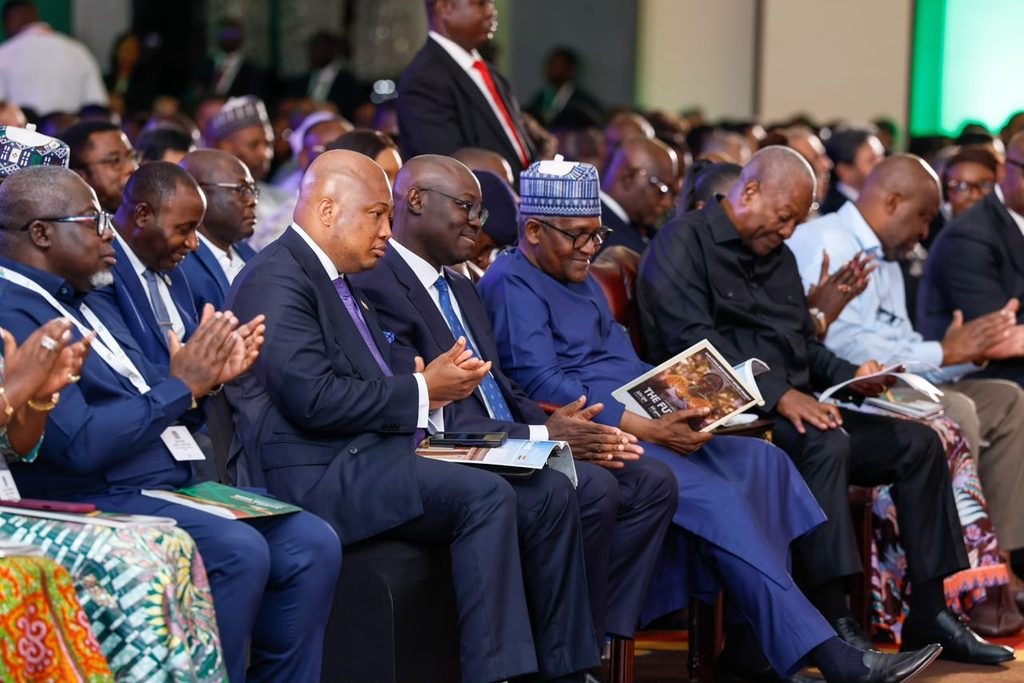
Speaking at the Invest Ghana Summit in Accra on November 16, Dr Forson encouraged entrepreneurs and prospective investors to establish ventures that respond to Ghana’s domestic economic requirements while positioning themselves to compete for customers and commercial opportunities throughout the African continent.
He maintained that Ghana was positioning itself to increase domestic production, strengthen its export capacity and establish a more competitive business environment, inviting investors to identify sectors where their capital could support enterprise development, industrial expansion and employment creation.
According to the Finance Minister, the government’s four year investment framework, outlined in the 2027 Budget, provides for more than US$2.5 billion in public expenditure during 2027 alone. The proposed investments will prioritise electricity infrastructure, irrigation systems and transportation networks, with the objective of removing critical constraints that have historically limited business productivity and expansion.
Dr Forson identified sustained macroeconomic stability and access to reasonably priced financing as essential conditions for achieving the programme’s objectives. He emphasised that government would maintain fiscal responsibility to preserve economic confidence and create a predictable environment in which businesses could undertake long term investments, finance industrial facilities and execute commercial agreements without unnecessary uncertainty.
He subsequently outlined several sectors offering considerable opportunities for investors, including agriculture, energy, mineral processing, manufacturing, tourism and technology.
In agriculture, the Finance Minister highlighted the proposed establishment of specialised rice production hubs, explaining that the initiative would generate investment opportunities in irrigation infrastructure, warehousing, rice milling and packaging. Government was also considering arrangements through which public institutions would prioritise the procurement of locally cultivated rice and other essential food commodities.
He explained that domestic rice processors capable of maintaining recognised quality standards and ensuring dependable supplies would be well positioned to establish sustainable enterprises by responding to the anticipated institutional demand.
Turning to the energy sector, Dr Forson stressed that dependable electricity supplies would enable manufacturers to maximise the productive capacity of existing machinery, increase operational hours and improve industrial output. He argued that introducing additional production shifts would allow factories to manufacture more goods while creating further employment opportunities.
He also identified promising commercial prospects for businesses involved in solar energy development, battery storage technology, industrial equipment distribution and the maintenance of electricity systems serving manufacturing establishments.
The Western Region, he noted, was also being positioned as an important destination for investment in mineral processing through the proposed establishment of a critical minerals processing enclave. The initiative is expected to create opportunities for investors interested in developing industrial facilities capable of converting Ghana’s manganese and bauxite resources into processed commodities with greater economic value.
Dr Forson further identified garment production and pharmaceutical manufacturing as industries where domestic businesses could satisfy substantial local requirements while developing the technical capacity and production volumes necessary to secure contracts across neighbouring African markets.
He indicated that manufacturers could benefit from growing demand for school and institutional uniforms, protective clothing and essential medicines, particularly as government pursued initiatives intended to strengthen domestic production and reduce dependence on imported goods.
Tourism and the creative arts were similarly identified as sectors with considerable investment potential, particularly in hospitality infrastructure, entertainment facilities and creative productions. Technology enterprises, meanwhile, could contribute to economic transformation by helping businesses connect with customers, facilitate electronic transactions and improve the movement of merchandise across national borders.
The Finance Minister urged prospective investors to incorporate the opportunities presented by the African Continental Free Trade Area into their business strategies, arguing that companies establishing production facilities in Ghana should consider the wider African market rather than restricting their commercial ambitions to domestic consumers.
He observed that although businesses could initially secure customers within Ghana, the continent’s expanding regional trading arrangements offered opportunities to reach substantially larger markets.
Dr Forson also encouraged Ghanaian entrepreneurs to revive expansion proposals that had remained on hold because of financing difficulties, while inviting foreign investors to establish partnerships with domestic enterprises possessing valuable knowledge of local commercial conditions.
He called on commercial banks and development finance institutions to engage prospective investors and businesses in identifying viable projects, assessing their financing requirements and developing appropriate funding arrangements to facilitate implementation.
Concluding his address, the Finance Minister challenged participants at the summit to translate their discussions into practical investment commitments, encouraging them to establish meaningful business relationships, examine prospective projects and arrange follow up engagements that could accelerate the commencement of commercial activities.
He reaffirmed government’s commitment to creating an environment in which investors could establish businesses, manufacture products and expand their operations while contributing to Ghana’s economic development.
“Invest in Ghana, produce here and grow with us,” Dr Forson declared.

Ato Forson Unveils US$10bn Investment Plan, Calls on Global Businesses to Expand Production in Ghana
- Advertisement -
- Advertisement -
www.ghanareaders.com
- Advertisement -

