
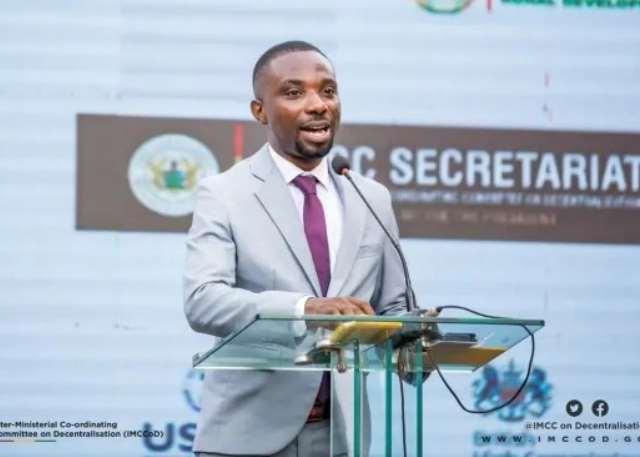

The opposition New Patriotic Party (NPP) is witnessing the emergence of a new contest for influence and direction within its communication machinery as Dennis Edward Aboagye, popularly known as Miracles Aboagye, has officially announced his intention to seek election as the party’s next National Communications Director.
The declaration marks another significant chapter in the internal restructuring process of the NPP following its defeat in the 2024 general election, as the party prepares to elect a new generation of national executives tasked with rebuilding its political message, reconnecting with voters and positioning the organisation for future electoral battles.

In a video message released on X on Sunday, July 12, 2026, Miracles Aboagye revealed that his decision to contest the influential position was driven by a commitment to strengthen the party’s communication architecture and develop a more effective system for presenting the NPP’s policies, principles and broader political vision to the Ghanaian electorate.

His entry into the race comes at a time when communication has become one of the most decisive battlegrounds in Ghanaian politics. Political parties are increasingly relying on strategic messaging, digital engagement, media relations and public persuasion to shape national conversations and influence voter perceptions. For the NPP, which is currently in opposition after eight years in government, rebuilding public confidence and crafting a compelling narrative will be central to its journey toward the 2028 general election.

The position of National Communications Director remains one of the most influential roles within the NPP’s national executive structure. The office is responsible for coordinating the party’s communication strategy, supervising media engagements, managing public messaging and ensuring consistency in how the party communicates its policies and responses to national issues.
Miracles Aboagye brings considerable political communication experience to the contest. He previously served as the spokesperson for former Vice President Dr. Mahamudu Bawumia’s presidential campaign, where he became one of the most visible voices defending the candidate’s record, policy proposals and political agenda ahead of the 2024 election.

His political journey has also included public service at the local government level. He served as Municipal Chief Executive for Akuapem North before taking on broader responsibilities within the national political landscape.
The announcement is expected to intensify discussions within the NPP regarding the future direction of its communication strategy. Following its electoral setback, the party faces the challenge of reassessing how it engages citizens, communicates achievements, responds to criticism and rebuilds trust among sections of the electorate.

Analysts of Ghanaian political history have consistently observed that communication leadership often plays a defining role in electoral success. From opposition politics to government administration, the ability of a party to clearly articulate its message, connect emotionally with voters and respond effectively to emerging issues can determine whether political ideas gain acceptance or lose relevance.

For the NPP, the upcoming national executive elections represent more than an internal party exercise. They provide an opportunity to reshape its leadership structure, introduce fresh strategic thinking and prepare the organisation for the next major electoral contest. The choice of National Communications Director will therefore carry significant consequences because the individual elected will become one of the principal architects of the party’s public identity.
Miracles Aboagye’s decision places him among the emerging figures seeking to influence that transformation. His campaign is expected to focus on modernising the party’s communication systems, strengthening grassroots engagement and creating a more coordinated approach to political messaging as the NPP begins its rebuilding journey after its 2024 defeat.
The contest for the communications directorate is therefore likely to become a reflection of a broader debate within the NPP about renewal, strategy and the kind of political message required to regain national support. As the party prepares for its delegates conference and national executive elections, the battle for control of its communication voice has officially begun.

