
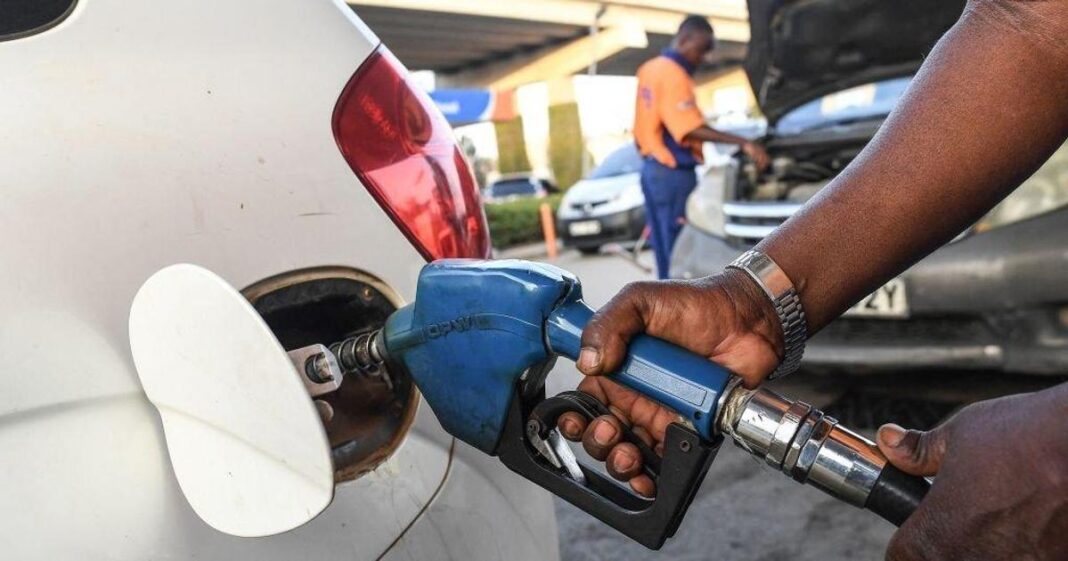

Ghanaian consumers are poised to receive substantial relief at the fuel pumps beginning Wednesday, July 1, following one of the most significant downward adjustments in petroleum prices witnessed in recent years. The anticipated reduction, driven by a sharp contraction in international crude oil prices alongside a strengthening of the Ghana cedi against the United States dollar, is expected to lower transportation costs, ease household expenditure pressures, and provide renewed optimism for businesses across the country.
The latest projections released by the Chamber of Petroleum Consumers indicate that petrol, diesel, and liquefied petroleum gas prices will experience notable reductions during the first pricing window of July. The development arrives at a critical juncture for Ghana’s economy, where fuel prices have remained a dominant factor influencing inflationary trends, transport fares, food prices, and the overall cost of living.

According to figures provided by the Chamber of Petroleum Consumers and endorsed by its Executive Secretary, Duncan Amoah, global crude oil prices have experienced a dramatic correction, declining by approximately 19.69 percent from US$97.32 per barrel to US$78.16 per barrel. This international market adjustment has been accompanied by a modest but strategically important appreciation of the Ghana cedi, which strengthened from an average interbank exchange rate of GH¢11.8035 to the dollar at the commencement of the current pricing cycle to GH¢11.4333 by the close of the period, representing a 3.14 percent gain.

The simultaneous improvement in these two critical variables has created favourable conditions for a substantial reduction in domestic fuel prices. For petrol, the free on board international benchmark price declined from US$988.77 per metric tonne to US$920.34 per metric tonne, representing a reduction of 6.92 percent. After incorporating the impact of the stronger local currency, the projected average retail price of petrol is expected to decrease to approximately GH¢13.36 per litre from the prevailing average of GH¢14.24 per litre, translating into a decline of 6.21 percent. Consumers can therefore expect pump prices to fluctuate within a range of approximately GH¢12.69 to GH¢14.03 per litre, depending on the pricing decisions of individual oil marketing companies.

Diesel users are projected to benefit from even more substantial relief. International diesel benchmark prices plunged from US$1,056.38 per metric tonne to US$896.02 per metric tonne, representing a significant contraction of 15.18 percent. Consequently, the projected retail price of diesel is expected to decline from the current average of GH¢16.26 per litre to approximately GH¢14.10 per litre, representing a substantial reduction of 13.28 percent. Market estimates suggest that diesel prices could vary between GH¢13.39 and GH¢14.80 per litre nationwide.
Liquefied petroleum gas consumers are also expected to experience considerable savings. The international benchmark price for LPG decreased from US$652.65 per metric tonne to US$548.50 per metric tonne, reflecting a decline of nearly 16 percent. This adjustment, coupled with the strengthening of the cedi, is expected to reduce the average retail price of LPG to approximately GH¢10.05 per kilogram, with prices likely ranging between GH¢9.54 and GH¢10.55 per kilogram.

The significance of these anticipated reductions extends far beyond the petroleum sector itself. Fuel prices occupy a central position within Ghana’s economic architecture because they directly influence transportation charges, food distribution costs, manufacturing expenses, logistics operations, and consumer purchasing power. Historically, substantial declines in fuel prices have often contributed to easing inflationary pressures and strengthening consumer confidence. Consequently, the projected reductions could provide an important stimulus to economic activity at a time when households and businesses continue to navigate persistent cost pressures.
The international developments underpinning the projected reductions are equally consequential. Global crude oil markets have experienced significant downward pressure following easing geopolitical tensions in the Middle East, increased expectations of improved shipping flows through the Strait of Hormuz, and growing forecasts of a global oil supply surplus over the coming years. Major financial institutions and international energy agencies have revised their projections downward as oil markets respond to changing geopolitical and economic conditions.

Beyond the immediate consumer benefits, the Chamber of Petroleum Consumers has also welcomed the Ghanaian government’s decision to allocate a portion of the country’s Jubilee oil production to support domestic refining operations. The organisation argues that expanding local refining capacity could substantially reduce Ghana’s dependence on imported refined petroleum products, conserve foreign exchange reserves, strengthen the cedi over the long term, and enhance the country’s energy security. This strategic shift represents an important component of Ghana’s broader industrialisation and economic sovereignty agenda.

The anticipated reduction in fuel prices beginning July 1 therefore represents more than a routine market adjustment. It constitutes a significant economic development with potentially far reaching implications for inflation management, household welfare, industrial competitiveness, and Ghana’s broader macroeconomic recovery. For millions of Ghanaians, the coming pricing window may provide one of the most meaningful episodes of fuel price relief experienced in recent years, offering renewed hope that broader economic stability may gradually be returning.

