
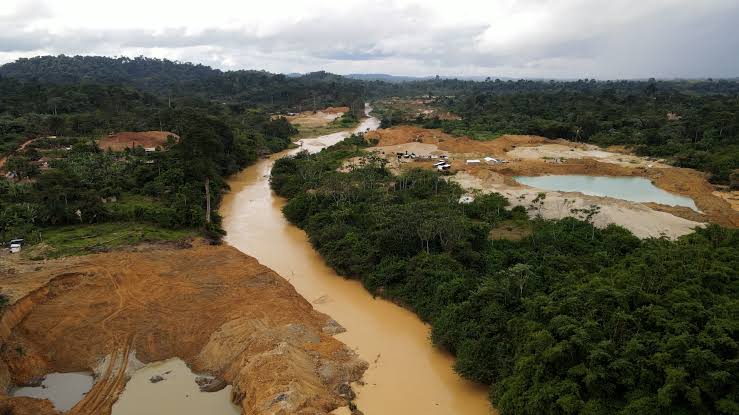

The European Union has cautioned that illegal mining, widely known as galamsey, is eroding the impact of its development programmes in Ghana, especially in sustainable agriculture, water and sanitation, security, and forest protection. The Deputy Head of the EU Delegation to Ghana, Jonas Claes, said the destructive activities were frustrating the bloc’s efforts to support growth in these key areas. Speaking at the launch of three Gold for Good baseline studies, he disclosed that the EU had only recently increased its involvement in the fight against illegal mining after previously viewing the issue as politically sensitive and overly complex.
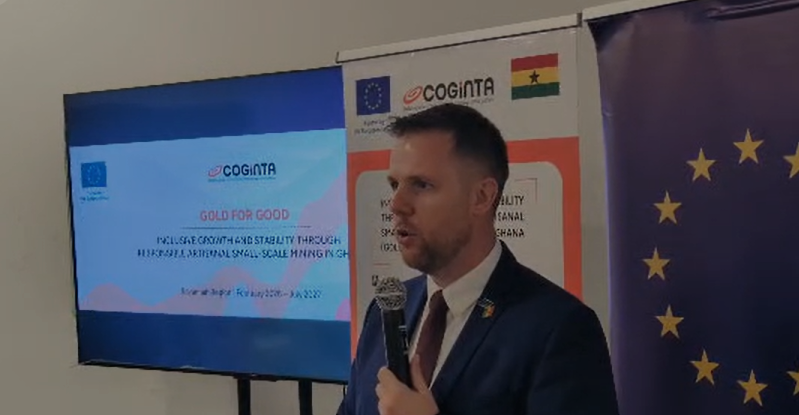 Mr Claes explained that illegal mining harms not only Ghanaians but also directly undermines EU interests and the partnership between the EU and Ghana. He noted that the bloc invests substantial resources in sustainable agriculture, water sanitation, security, and reforestation, yet all these investments are being severely weakened by illegal mining. The EU and several of its member states are now actively backing efforts to tackle the problem, including the €3 million Gold for Good project funded by the bloc and implemented by Coginta, as part of a broader partnership with Ghana.

The EU further called for stronger public education on the long-term damage caused by galamsey, noting that immediate financial and social benefits make the practice appealing to some residents in mining communities. It stressed that these short-term incentives, such as financial support and other services, must be factored into strategies to discourage illegal mining. The Country Director of Coginta Ghana, Rev. Fr. Dr Clement Aapengnuo, also urged government to improve natural resource governance and address security risks linked to artisanal and small-scale mining, particularly in northern Ghana, warning that how resources are managed has far-reaching consequences for livelihoods, local development, and social cohesion.


