
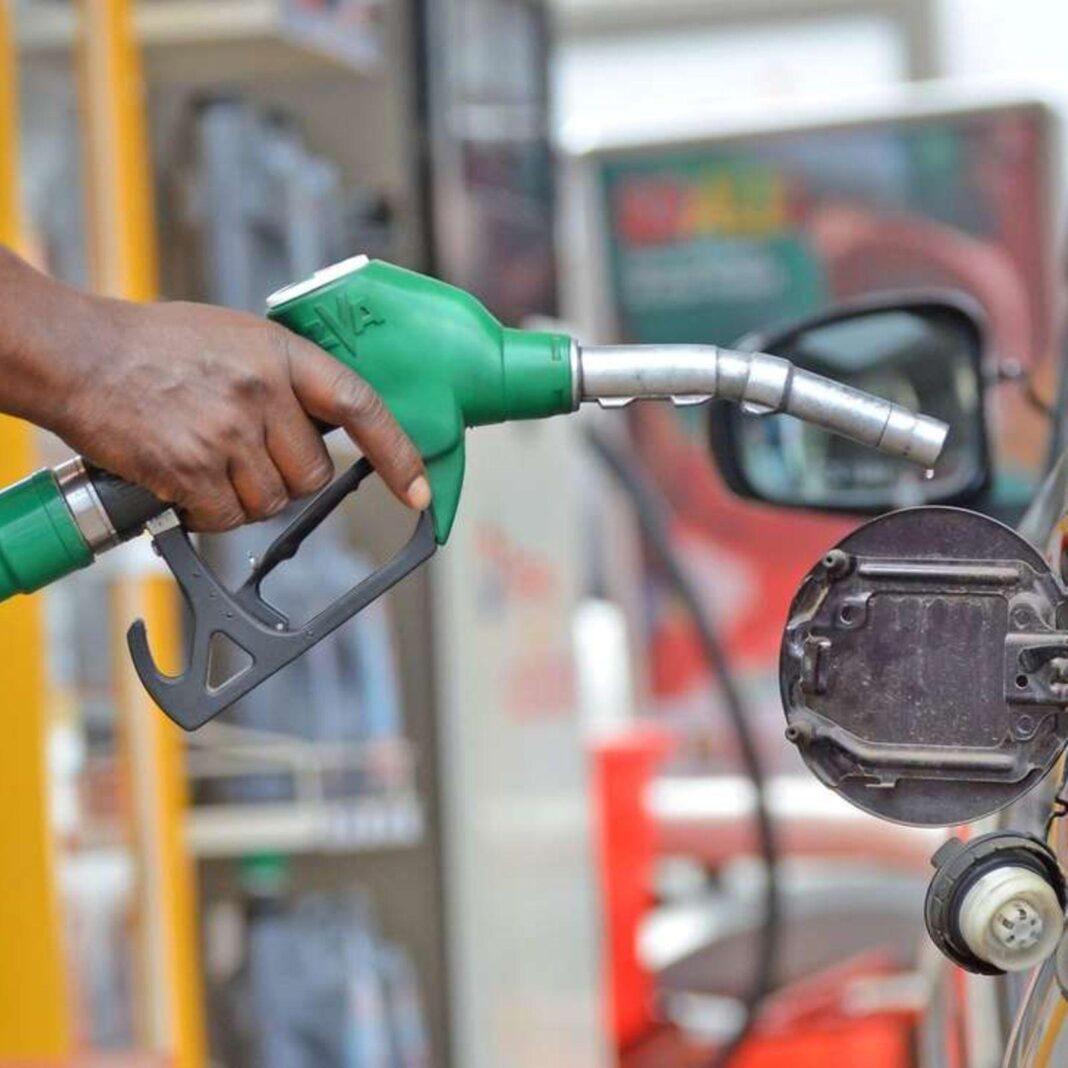

Several Oil Marketing Companies across Ghana have commenced upward adjustments in petroleum product prices at service stations from today, June 1, 2026, reflecting the latest pricing review under the country’s deregulated fuel pricing regime.
The revised pump prices follow the biweekly assessment mechanism adopted by industry operators, which allows fuel retailers to adjust prices in response to prevailing market conditions, exchange rate movements and developments within the international petroleum market.

Leading the latest round of increases, Star Oil raised the price of petrol to GH¢15.20 per litre from GH¢14.60 per litre recorded during the previous pricing window that began on May 16, 2026. The company, however, maintained its diesel price at GH¢15.81 per litre.

The new petrol price aligns with the minimum threshold established for the current pricing period, reinforcing Star Oil’s position at the prescribed industry floor. Diesel pricing, however, remains above the benchmark announced for the latest review cycle.

Market participants are now closely monitoring the response of other major industry operators, including GOIL PLC, Shell, TotalEnergies and Zen Petroleum, as consumers await their respective adjustments in the days ahead.
On May 28, 2026, the National Petroleum Authority announced the official pricing floor for the June 1 to June 16 pricing window. Under the revised benchmark, no Oil Marketing Company is permitted to sell petrol below GH¢15.20 per litre, representing an increase compared with the previous pricing cycle.

For diesel, however, the authority established a benchmark of GH¢15.49 per litre, lower than the corresponding level recorded during the preceding review period. This adjustment suggests that some operators may have room to offer diesel at comparatively reduced rates, depending on their individual pricing strategies and supply arrangements.
Industry forecasts indicate that consumers could face additional increases in the coming days. The Chamber of Oil Marketing Companies projects that petrol prices may rise by between 4.20 percent and 6.20 percent, potentially pushing pump prices to approximately GH¢15.92 per litre.

Liquefied Petroleum Gas is also expected to experience upward adjustments. Industry estimates suggest prices could increase by as much as 2.24 percent, resulting in a retail price of roughly GH¢17.30 per kilogramme.

Diesel presents a contrasting outlook. Market projections indicate that prices may decline by between 1.65 percent and 2.00 percent, although actual retail rates will vary depending on the procurement arrangements and pricing structures adopted by individual fuel marketers.
These projections primarily reflect the experiences of Oil Marketing Companies that procure petroleum products on credit from Bulk Oil Distribution Companies, a factor that significantly influences final retail pricing.
According to the Chamber of Oil Marketing Companies, the mixed pricing outlook stems from a combination of declining international petroleum prices and ongoing collaborative interventions between government and industry stakeholders. The organisation also cited renewed pressure on the Ghana cedi as a major contributor to the latest adjustments.
Industry officials further noted that the Joint Government and Industry intervention programme, which was extended from May 16, 2026, has continued to influence fuel pricing outcomes, particularly the magnitude of petrol price increases recorded during the current review period.
Under the latest revision of the intervention framework, support measures for petrol have been completely withdrawn, while the intervention applicable to diesel has been reduced to GH¢1.07 per litre.
The revised arrangement is intended to ease consumers gradually toward prevailing international market prices while still providing a degree of protection against the full impact of global price fluctuations. Although motorists are beginning to feel the effects of rising petrol costs, the continued support for diesel is expected to moderate some of the pressures facing transport operators, businesses and households that depend heavily on fuel consumption.
As the new pricing window takes effect, consumers, transport operators and commercial enterprises will be watching closely to determine how competing Oil Marketing Companies position their prices and whether broader market conditions will sustain the projected trends throughout the first half of June.

