

…Ghana Approaches Seventy, Yet We Remain Trapped in the Politics of Yesterday
Ghana is set to introduce a new currency, christened the Ghana Cedi Heritage Series, which is expected to enter circulation on December 1, 2026. Even before its introduction, the new currency has generated considerable public discussion, particularly over the images removed from the existing currency and those selected to replace them.

The decision to remove or introduce particular images must necessarily reflect the judgment of those who conceived the new currency about what deserves to be represented as part of our national heritage. In other words, those who have taken the decisions appear to disagree with some of the historical representations on the existing currency and have consequently elected to substitute them with others.

But this raises a much bigger question: After nearly seventy years of independence, have we, as a people, still not reached a common understanding of who our great national heroes are and what contributions they made to the Ghana we have today?

On March 6, 2027, Ghana will be seventy years old. One would have thought that seven decades of nationhood would have afforded us sufficient time to settle some elementary questions about our history and the men and women whose contributions deserve national recognition. Surely, by now, we ought to have reached a reasonable consensus on those who distinguished themselves in the service of this country, irrespective of their political, religious, professional or ideological persuasions.
This is not an unreasonable expectation. Indeed, it is a basic requirement of national maturity. If, after seventy years, we cannot agree on the greatness of certain individuals who contributed immensely to our national development, then we have a serious problem. We will remain condemned to unnecessary internecine quarrels over matters that should unite rather than divide us.

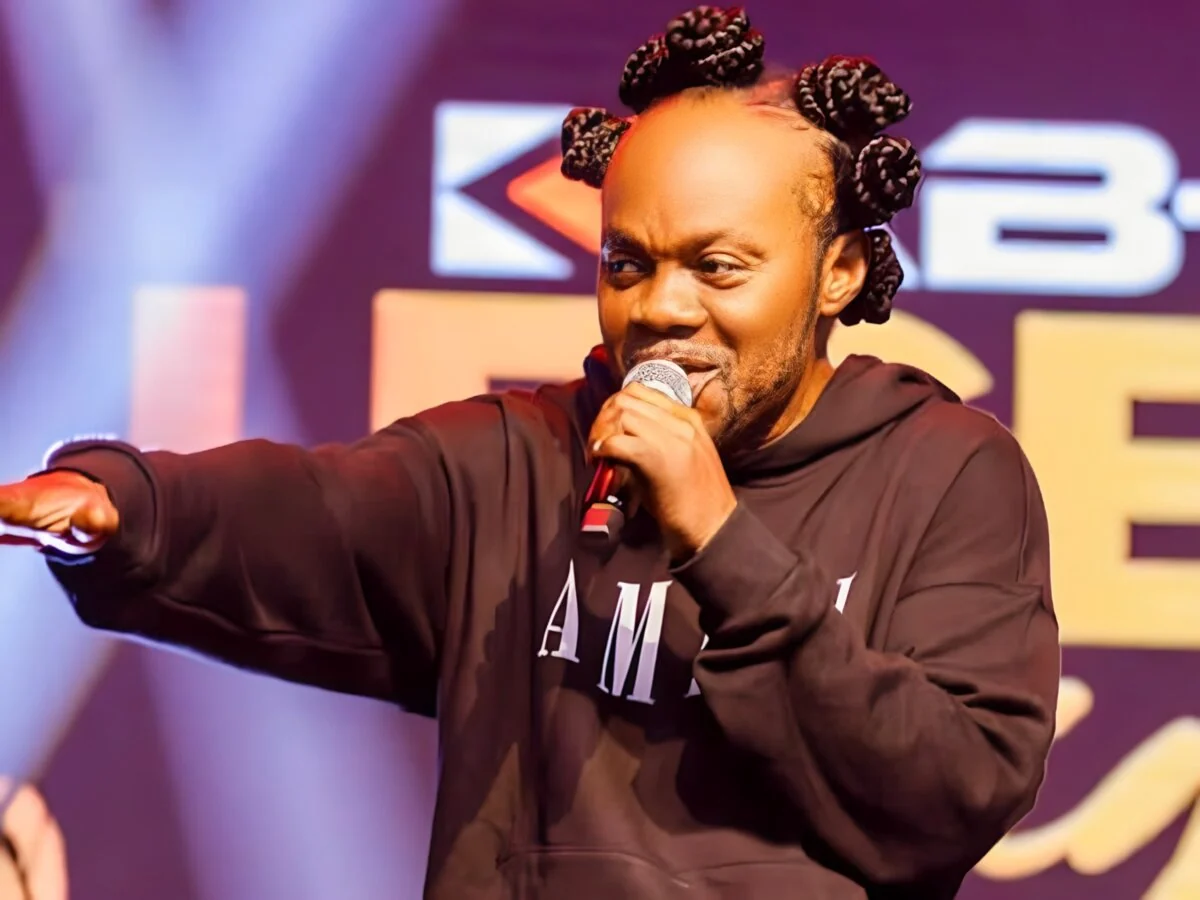
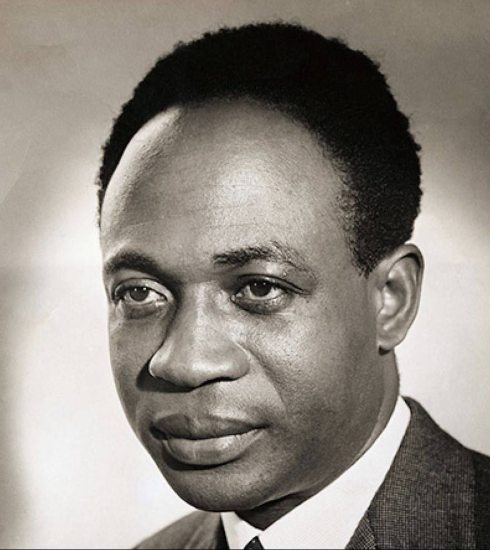
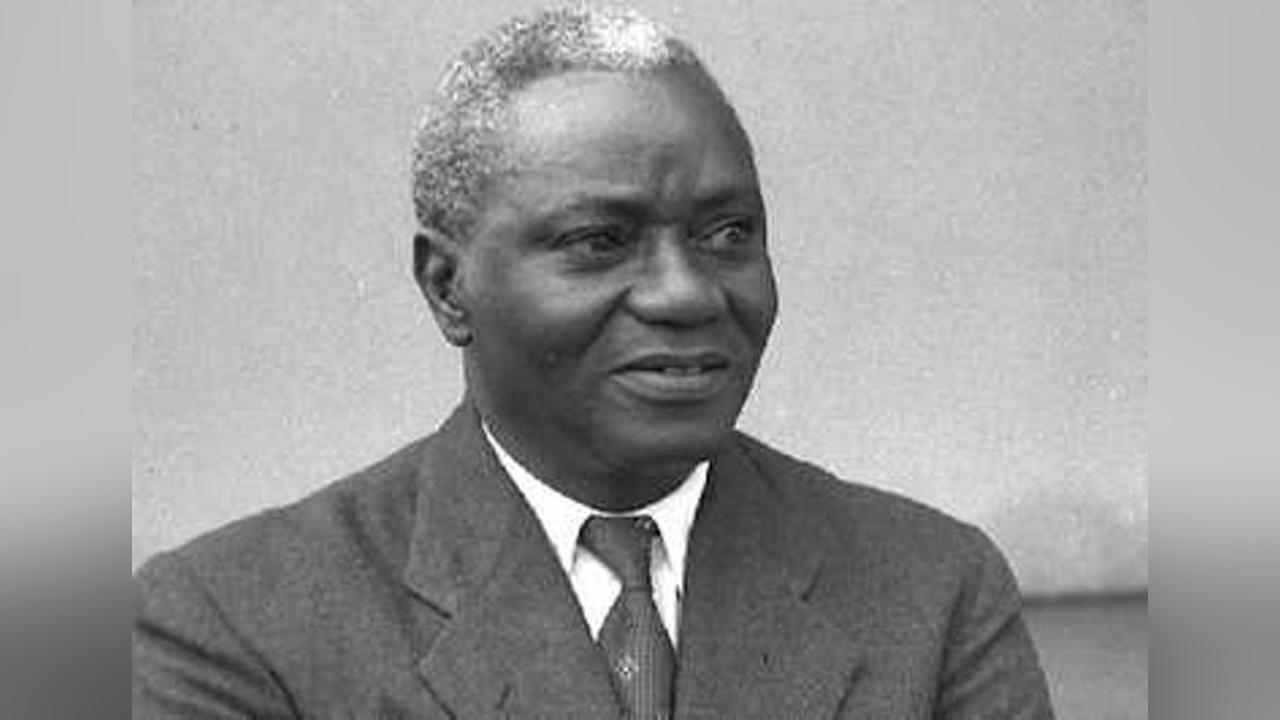
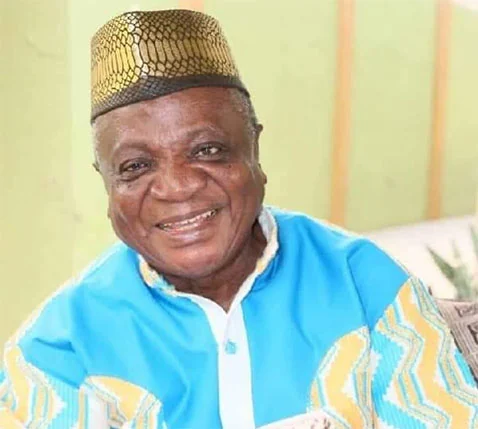
There are certain facts that ought not to be controversial. We should be able to accept that James Kwegyir Aggrey was a great man. That Kofi Annan was a great man. That Dr. Kwame Nkrumah was a great man. That J.B. Danquah was a great man. That Tetteh Quarshie was a great man, whose contribution to Ghana’s economic fortunes, through the introduction of cocoa cultivation, is arguably unmatched by that of any other Ghanaian. We should equally acknowledge the greatness of Nana Kwame Ampadu, Charles Kwadwo Fosu, popularly known as Daddy Lumba, and many others who, in their respective fields, distinguished themselves and enriched our national identity.
The problem with our national discourse is that we have consistently confused greatness with politics. We seem to have developed the unfortunate habit of measuring national achievement almost exclusively through political lenses. Consequently, when we speak of national heroes, our attention invariably gravitates towards political figures, as though the greatness of a nation can only be measured by the political history of its leaders.

The current controversy surrounding the removal of the Big Six and J.B. Danquah, and the decision to dedicate a currency note to Dr. Kwame Nkrumah, is a classic illustration of this unfortunate tendency.

But must we really choose between Nkrumah and Danquah? Can anyone seriously dispute that both were great men? Can we deny that both were nationalists who, in their own ways and within the political convictions of their time, contributed to the making of modern Ghana? Must our recognition of one necessarily require the denigration or exclusion of the other?
I find this inability to appreciate greatness across political divides deeply troubling. We must understand that people can disagree profoundly on political questions and yet make valuable contributions to the same national cause. Indeed, one of the hallmarks of a mature society is its ability to acknowledge merit even where it does not share the political convictions of the person being celebrated.
It is perfectly possible to recognise Nkrumah’s extraordinary contribution to Ghana’s independence and nation-building without diminishing Danquah’s contribution to the nationalist struggle. We should be mature enough to celebrate both. One man’s greatness does not diminish another’s.
Our persistent inclination to condemn one historical figure in order to elevate another is not patriotism. It is a manifestation of political pettiness and historical immaturity. And I have little doubt that, somewhere in the murky future, another government will emerge, convinced that it has discovered fresh historical wrongs to correct, and will proceed to undo what is being done today. Thus, our national currency, rather than serving as a permanent reflection of our collective heritage, risks becoming a revolving monument to the political preferences of successive governments.
But there is another dimension to this controversy that deserves attention.
If we are genuinely talking about heritage and celebrating the great men and women who have shaped Ghana, why have we failed to acknowledge people such as Nana Kwame Ampadu and Daddy Lumba? Without doubt, they rank among the most influential musicians this country has produced. Their music transcended generations, shaped our cultural identity and gave expression to the Ghanaian experience. Is cultural contribution not part of our heritage? Must a person hold political office, participate in the independence struggle or occupy a position in government before being considered worthy of national recognition?
And what about the distinguished men and women who have contributed to education, law, medicine, science, literature, sports, industry and other fields? What of our teachers, scholars, inventors, entrepreneurs and cultural icons? Why must our national conversation about heritage repeatedly be reduced to Nkrumah and Danquah, as though the history of Ghana began and ended with the political contestations of the independence era?
There is, however, an even more fundamental concern. It has to do with the manner in which this so-called Heritage Series was conceived and imposed on the Ghanaian public.
Did it not occur to those responsible for its creation that Ghana has more than thirty million people, each with a legitimate stake in determining what constitutes our collective heritage? Did it not occur to them that the people whose history and identity the currency purports to represent ought to have been consulted?
Does our national heritage belong exclusively to a handful of politicians and the political appointees who surround them? Is it the private property of whichever government happens to occupy the seat of power? Surely, our heritage is bigger than any political administration. It belongs to all of us, including generations yet unborn.
Why could we not have transformed the entire exercise into a genuinely national undertaking? Why not invite Ghanaians from every region, profession, generation and political persuasion to nominate individuals and make submissions on the people, events and achievements they consider worthy of national recognition? Why not establish an independent, broadly representative national committee to examine those submissions and make recommendations?
Such an exercise would have been more than a currency-design project. It would have been an opportunity to educate ourselves about our history, celebrate our collective achievements and deepen our sense of national identity.
Instead, we have been presented with a supposedly national heritage, conceived and determined by a few people, as though the rest of the country has no meaningful contribution to make.
Why drop our heritage on us like a stone from on high when we could have invited the entire nation to participate in building this national monument?
That, to me, is the tragedy of the Ghana Cedi Heritage Series. It is not simply about which face appears on which denomination. It is about our continuing inability to rise above partisan considerations and develop a genuinely national consciousness.
As Ghana approaches seventy years of independence, we ought to be demonstrating greater maturity, a deeper appreciation of our history and a willingness to celebrate achievement wherever it may be found. Instead, we remain trapped in the political rivalries of yesterday, forever revisiting old arguments, reversing old decisions and mistaking partisan victories for national progress.
We are failing to grow. And that, perhaps, is the saddest part of this entire affair.
(Periscope Depth of Monday, 23rd November, 2026. Periscope Depth is published every Monday in The Daily Searchlight).

