
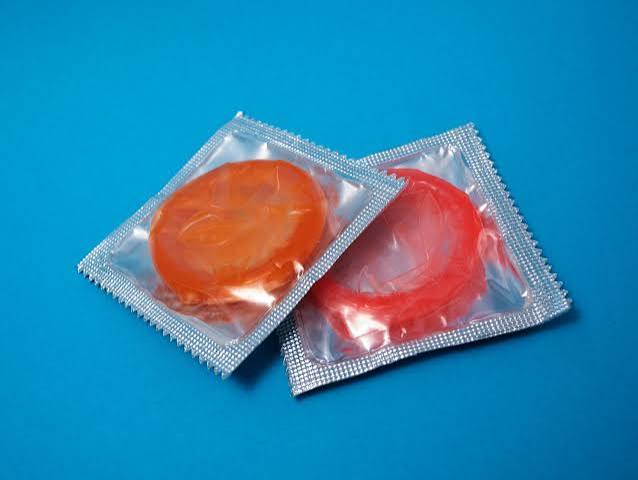

The Ghana AIDS Commission has strongly defended its decision to introduce condom vending machines across the country, rejecting claims that the initiative will encourage promiscuity or weaken moral values among young people. The Commission insists that the programme is a public health intervention designed to reduce the spread of HIV and other sexually transmitted infections through improved access to preventive tools.
The planned deployment of condom vending machines, which is expected to begin in the final quarter of 2026, has generated public discussion, with some critics expressing concerns that easier access to condoms could influence young people to engage in increased sexual activity. However, the Ghana AIDS Commission has dismissed such arguments, maintaining that evidence from other countries demonstrates that condom availability does not encourage sexual behaviour but instead helps reduce health risks among sexually active individuals.

Speaking in an interview with Citi News on Monday, July 27, 2026, the Commission’s Director of Technical Services, Dr Fred Nana Poku, explained that the initiative is based on scientific evidence and international public health experience. He stated that studies conducted in parts of East Africa have shown that making condoms more accessible did not increase sexual activity among students but rather provided greater protection against HIV infections and other sexually transmitted diseases.

According to Dr Poku, the assumption that condom availability influences young people to initiate sexual activity does not reflect the realities of human behaviour. He argued that individuals who engage in sexual activity do not necessarily do so because preventive measures are available, emphasizing that access to condoms is intended to reduce harm rather than encourage sexual conduct.

He questioned the argument that condom accessibility could determine whether young people choose to have sex, stating that the presence of condoms does not create sexual desire or alter personal decisions. Instead, he explained that the primary objective of the programme is to ensure that individuals who are already sexually active have access to protection against potentially life threatening infections.
The Ghana AIDS Commission official warned that the country must confront the reality of adolescent and youth sexual activity rather than ignore existing challenges. He stressed that public health policies must be guided by evidence and practical realities, especially when dealing with diseases such as HIV that continue to affect thousands of young Ghanaians.

Dr Poku revealed that available data indicates significant HIV infections among young people in Ghana. According to him, 1,183 adolescents between the ages of 10 and 19 years and 3,835 young people between the ages of 15 and 24 years contracted HIV in 2025. He argued that these figures demonstrate the urgent need for stronger prevention strategies targeted at vulnerable groups.
He further highlighted concerns about early sexual activity among children and adolescents, noting that some young people begin sexual experiences at extremely early ages. He cautioned against avoiding difficult conversations surrounding youth sexual health, stressing that prevention measures are necessary to protect those who are exposed to health risks.

The Ghana AIDS Commission explained that the condom vending machine programme forms part of broader national efforts to reduce new HIV infections and strengthen preventive healthcare. The initiative is expected to improve accessibility, particularly in locations where individuals may face challenges obtaining condoms through traditional channels.

Dr Poku noted that approximately eighty percent of HIV infections are transmitted through sexual contact, making prevention strategies focused on sexual health a critical component of Ghana’s national response. He emphasized that while education, responsible behaviour, and awareness remain essential, access to preventive resources is equally important in reducing transmission rates.
The Commission has also appealed to private sector organizations and corporate Ghana to support the initiative by incorporating condom accessibility into workplace health programmes. Dr Poku explained that several countries already provide condoms within workplaces as part of broader employee wellness and disease prevention strategies.
According to him, partnerships between government institutions, businesses, civil society organizations, and communities will be necessary to achieve significant progress in reducing HIV infections. He expressed confidence that coordinated national efforts could eventually reduce the burden of HIV and prevent the disease from remaining a major public health challenge.
The debate surrounding condom vending machines reflects a wider national conversation about balancing moral concerns, cultural values, and evidence based public health interventions. While some sections of society believe prevention measures among young people should focus primarily on abstinence and moral education, health authorities maintain that comprehensive prevention approaches are necessary because existing realities cannot be ignored.
Public health experts have long argued that successful HIV prevention requires a combination of education, testing, treatment, behavioural change initiatives, and access to preventive resources. They maintain that restricting access to condoms does not eliminate sexual activity but may increase vulnerability to infections, unintended pregnancies, and other health complications.
As Ghana continues its efforts to achieve long term control of HIV transmission, the Ghana AIDS Commission says the condom vending machine programme represents a practical step toward protecting lives and strengthening prevention efforts. The Commission has reiterated that the initiative is not intended to promote sexual activity but to provide protection, reduce infections, and support the country’s broader goal of ending HIV as a significant public health concern.

