

Regional bloc delivers major diplomatic support for Ghana’s continental agenda on African unity, tolerance and historical justice
The Economic Community of West African States (ECOWAS) Council of Ministers has formally thrown its support behind Ghana’s diplomatic campaign against xenophobia on the African continent while also endorsing the landmark Accra Next Steps Commitments on Reparatory Justice, marking a significant moment in West Africa’s evolving pursuit of regional solidarity, human dignity and historical accountability.

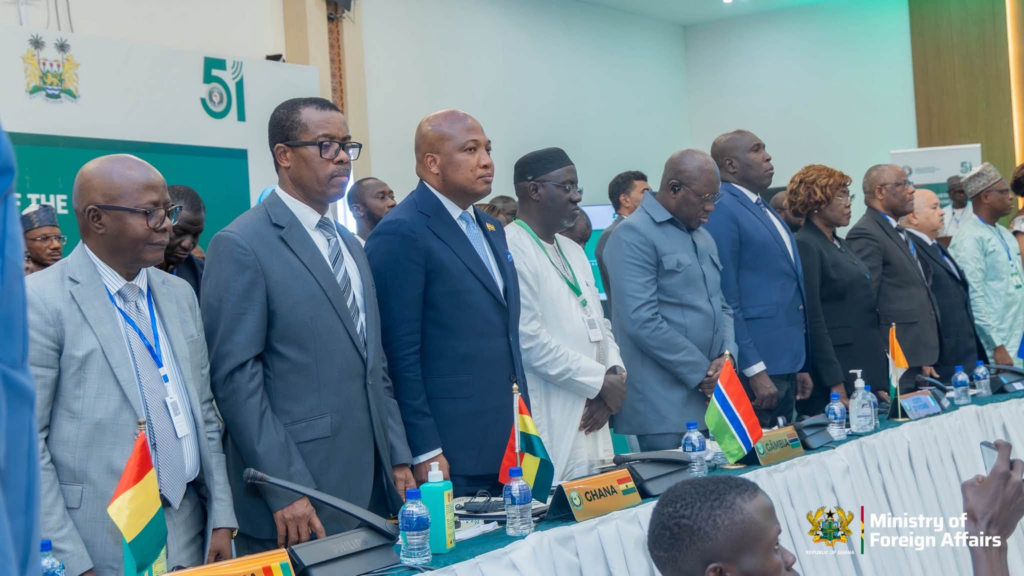
Ghana’s Minister for Foreign Affairs, Samuel Okudzeto Ablakwa, announced that the regional body unanimously supported Ghana’s petition to the African Union seeking stronger continental action against xenophobic attacks and discrimination directed at African citizens living outside their countries of origin. The endorsement was secured during the ECOWAS Council of Ministers meeting held in Freetown, Sierra Leone, ahead of the summit of ECOWAS Heads of State and Government.

The decision represents a major diplomatic victory for Ghana’s efforts to place the protection of African citizens, freedom of movement and the principles of African brotherhood at the centre of continental discussions. Xenophobia, particularly attacks against migrants and foreign nationals in parts of Africa, has increasingly raised concerns about the future of regional integration and the effectiveness of existing frameworks designed to promote unity among African states.

For Ghana, the matter carries particular historical and political significance because the country has consistently championed the ideals of Pan Africanism since independence. Ghana’s first President, Osagyefo Dr Kwame Nkrumah, envisioned a continent where artificial borders created during colonial rule would give way to deeper cooperation, shared prosperity and collective security among African peoples.
Mr Ablakwa stated that the unanimous backing from ECOWAS ministers demonstrates growing regional recognition that xenophobic hostility threatens not only individuals but also the broader vision of an integrated Africa where citizens can pursue economic opportunities and build communities across national boundaries.

Beyond the xenophobia petition, the ECOWAS Council of Ministers also gave its unconditional endorsement to the Accra Next Steps Commitments on Reparatory Justice, a framework developed to advance Africa’s global campaign for recognition, accountability and remedies for the enduring consequences of slavery, colonialism and other historical injustices.
The Accra Next Steps Commitments emerged from a high level international conference hosted in Ghana, bringing together African leaders, diplomats, scholars, legal experts and representatives of the African diaspora to establish a practical roadmap for advancing reparatory justice. The initiative followed growing international momentum after the adoption of a United Nations resolution recognising the trafficking and enslavement of Africans as one of the gravest crimes against humanity.

The endorsement by ECOWAS strengthens Ghana’s position as a leading voice in Africa’s renewed campaign for historical justice. It also reinforces the country’s broader foreign policy strategy of combining Pan African cooperation with advocacy on global issues affecting Africans and people of African descent.

Analysts view the twin endorsements as important because they connect two major challenges facing the continent: the need to confront present day discrimination among Africans and the responsibility to address historical injustices that continue to influence economic, social and political realities across Africa.
The anti xenophobia campaign focuses on ensuring that African citizens are treated with dignity regardless of nationality, while the reparatory justice movement seeks international acknowledgement of the consequences of centuries of exploitation and displacement experienced by African societies. Together, the initiatives reflect Ghana’s attempt to promote a more united and self confident Africa.
The ECOWAS Council of Ministers meeting in Freetown took place ahead of the gathering of regional Heads of State and Government, where leaders are expected to deliberate on major issues including regional integration, peace and security, democratic stability and economic cooperation.
In his message following the endorsement, Samuel Okudzeto Ablakwa reaffirmed Ghana’s commitment to continuing the pursuit of a united and prosperous Africa, invoking the vision of Dr Kwame Nkrumah and describing the latest diplomatic support as part of a wider journey toward continental solidarity.
The latest development places Ghana at the centre of two significant African policy conversations: the protection of Africans within Africa and the pursuit of justice for Africans across the world. The decisions taken in Freetown could therefore become an important reference point in shaping future ECOWAS and African Union responses to discrimination, migration challenges and the unresolved consequences of historical injustice.

