
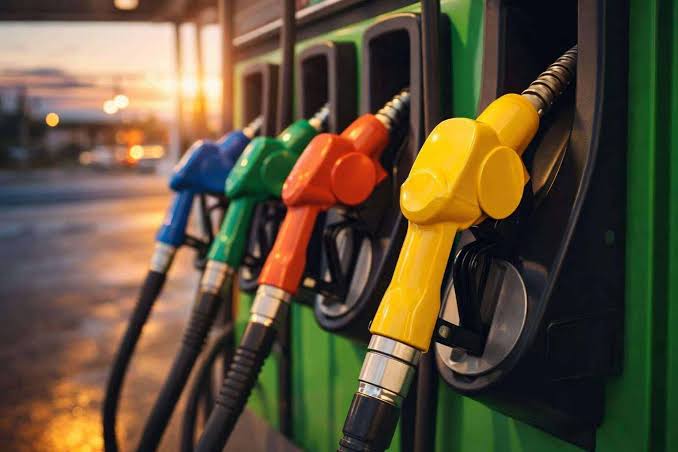

Ghanaian motorists, transport operators, businesses and households are confronting another wave of higher fuel costs after several Oil Marketing Companies began implementing substantial increases in pump prices, reflecting rising international petroleum prices, renewed geopolitical instability in the Middle East and a modest weakening of the Ghana cedi against the United States dollar.
The latest adjustments mark the beginning of what industry analysts expect will become a nationwide upward revision in fuel prices as more Oil Marketing Companies align their pump prices with prevailing market conditions during the latest petroleum pricing window. The increases reinforce the sensitivity of Ghana’s downstream petroleum sector to global developments, particularly disruptions in crude oil markets and fluctuations in the foreign exchange market.

Among the first companies to revise its prices was Star Oil, which increased the retail price of petrol from GH¢12.79 per litre to GH¢13.67 per litre. Diesel also recorded a significant increase, climbing from GH¢14.95 per litre at the beginning of July 2026 to GH¢16.27 per litre, representing one of the sharpest adjustments witnessed in recent pricing cycles.

State owned market leader GOIL also revised its prices upward. Petrol now sells at GH¢13.88 per litre, compared with the previous price of GH¢12.79, while diesel has risen from GH¢15.35 to GH¢16.30 per litre. The revised prices place GOIL above the minimum industry pricing benchmark established by the National Petroleum Authority, reflecting the growing pressure facing fuel retailers as global market conditions continue to deteriorate.

A review of prevailing market prices indicates that several Oil Marketing Companies have positioned their prices above the regulatory price floor. Star Oil, for instance, is retailing petrol above the minimum benchmark of GH¢13.38 per litre while diesel is being sold at GH¢16.27, significantly higher than the National Petroleum Authority’s indicative minimum threshold. Under the latest pricing guidance, no Oil Marketing Company is expected to sell petrol below GH¢13.38 per litre or diesel below GH¢14.35 per litre.
Industry sources indicate that additional Oil Marketing Companies are expected to revise their prices, suggesting that the current increases represent only the first phase of broader adjustments likely to be witnessed across the country.

The latest projections released by the Chamber of Oil Marketing Companies point to sustained upward pressure on petroleum prices during the current pricing window. According to the Chamber’s analysis, petrol prices are expected to increase by between 3.79 percent and 5.31 percent, potentially pushing the national average pump price to approximately GH¢14.52 per litre if prevailing market conditions persist.
Diesel prices are likewise projected to rise further, with estimates indicating an increase of about seven pesewas per litre, resulting in an average retail price of roughly GH¢16.00 per litre across the country. Liquefied Petroleum Gas is also anticipated to become more expensive, with prices expected to rise by between 1.10 percent and 1.30 percent per kilogramme, adding further pressure to household energy costs.

The Chamber attributes the latest increases primarily to escalating geopolitical tensions in the Middle East, where renewed military confrontations have intensified fears of disruptions to global energy supplies. Growing concerns surrounding the security of maritime transport through the Strait of Hormuz, one of the world’s most strategically important oil shipping routes, have significantly increased uncertainty within international petroleum markets.

The Strait of Hormuz carries a substantial proportion of the world’s crude oil exports each day. Any threat to navigation through the narrow waterway immediately affects global energy prices because traders anticipate possible supply shortages, increased insurance costs for oil tankers and higher transportation expenses. These risks rapidly translate into higher international prices for both crude oil and refined petroleum products, with importing nations such as Ghana inevitably experiencing the effects through higher domestic fuel prices.
The Chamber also identified movements in the foreign exchange market as another important contributor to the latest price adjustments. During the pricing period leading into the July 16 pricing window, the Ghana cedi recorded a modest depreciation against the United States dollar, moving from GH¢11.4333 to GH¢11.4970 for every dollar, representing a decline of approximately 0.55 percent. Although relatively moderate, the depreciation increased the local currency cost of importing refined petroleum products because international oil transactions are conducted almost exclusively in United States dollars.
Global crude oil prices also experienced remarkable volatility throughout the review period. Benchmark crude prices initially declined by almost eight percent, falling from an average of US$78.12 per barrel to US$71.90 per barrel as markets responded to expectations of improving supply conditions. However, that optimism proved short lived after reports emerged of violations of a ceasefire agreement during the second week of July.
Investor anxiety intensified further following reports that Iranian missile strikes had targeted two United Arab Emirates oil tankers, raising fresh concerns about the security of commercial shipping in the Gulf region. As fears over potential disruptions to oil exports intensified, Brent crude prices rebounded sharply, climbing above US$84 per barrel by July 14. The rapid increase restored what energy analysts describe as a geopolitical risk premium, whereby prices rise not only because of actual supply disruptions but also because markets anticipate future instability.
Refined petroleum products reflected similar movements. Diesel experienced the largest increase on international markets, advancing by approximately 8.14 percent during the review period. Petrol prices rose by nearly five percent, while Liquefied Petroleum Gas recorded only a marginal decline of about 0.92 percent. These international price movements have now begun filtering into Ghana’s domestic petroleum market through higher wholesale and retail prices.
The latest developments underscore Ghana’s continued exposure to external economic shocks despite recent gains in macroeconomic stability. Petroleum imports remain one of the country’s largest foreign exchange obligations, meaning that international price movements, exchange rate fluctuations and geopolitical conflicts abroad can rapidly influence domestic inflation, transportation costs, food prices and the overall cost of doing business.
Historically, sustained increases in fuel prices have had significant consequences for Ghana’s economy. Higher pump prices raise operating costs for commercial transport operators, manufacturers, farmers and logistics companies, with the resulting expenses often passed on to consumers through higher prices for goods and services. This creates additional inflationary pressures that can complicate monetary policy management and reduce household purchasing power.
The current round of price adjustments therefore extends beyond the petroleum sector. It highlights the interconnected nature of Ghana’s economy with global energy markets and demonstrates how geopolitical developments thousands of kilometres away can directly affect the daily lives of citizens, business profitability and the country’s broader inflation outlook. As international tensions continue to evolve, market participants will closely monitor developments in the Middle East, movements in global crude oil prices and the performance of the Ghana cedi, all of which will determine whether additional fuel price increases become unavoidable in the weeks ahead.

