
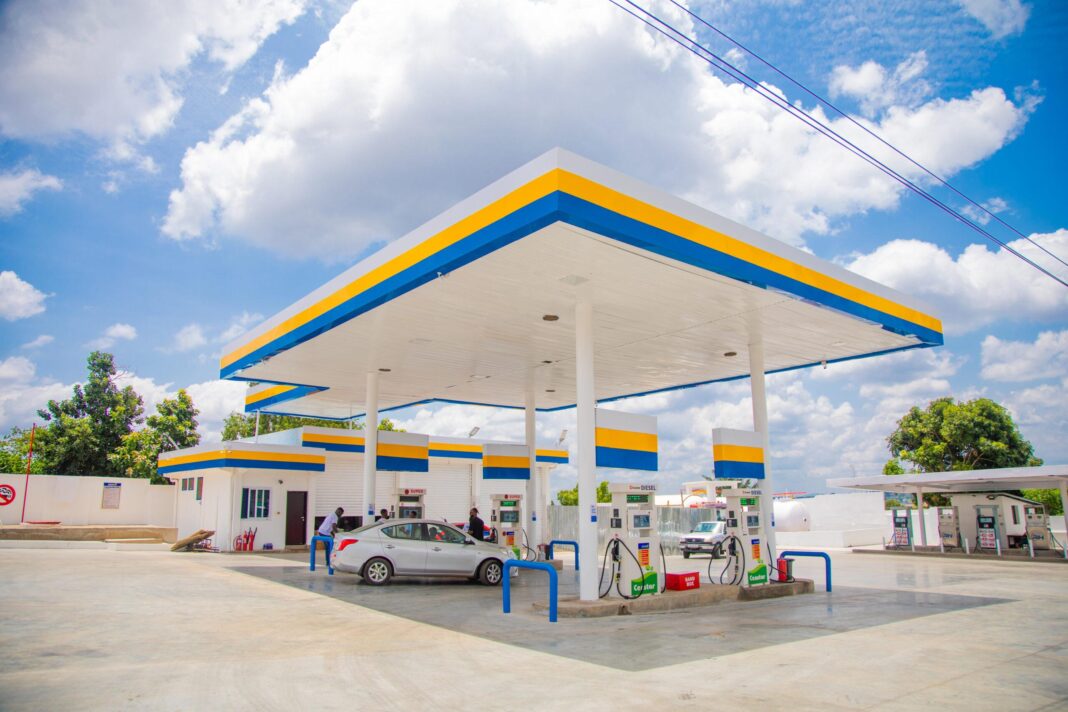

Some Oil Marketing Companies (OMCs) have begun lowering their pump prices ahead of the officially scheduled petroleum pricing review dates for November 2026, offering motorists some relief amid expectations of further reductions in fuel costs.
Checks conducted on Monday morning indicate that Star Oil, one of Ghana’s prominent petroleum retailers, has already adjusted its prices downwards, reducing the cost of both petrol and diesel at its filling stations.

Petrol, which was previously selling at GH¢16.35 per litre, has now been reduced to GH¢15.97, representing a decrease of 38 pesewas per litre. Diesel prices have similarly declined from GH¢18.45 to GH¢18.37, reflecting an eight pesewa reduction.

The company has not yet provided an official explanation for the latest adjustments. The development follows an earlier pricing decision at the beginning of November, when Star Oil reduced petrol prices but introduced a marginal increase in the cost of diesel.

Meanwhile, GOIL, Ghana’s leading petroleum marketing company, has maintained its existing pump prices since the beginning of the month. Available checks also suggest that the company has not initiated any immediate adjustments to its retail prices this week.
It is not yet clear whether Star Oil’s latest reductions are primarily driven by competitive pressures within the downstream petroleum market or whether its acquisition of a Bulk Oil Distribution Company (BDOC) licence is providing access to more competitively priced petroleum products, thereby enabling the company to transfer some of the cost savings to consumers.

JP, another operator in the petroleum retail market, has also introduced reductions across its fuel products. The company has lowered its petrol price from GH¢16.43, which was quoted on October 16, to GH¢15.95 per litre. Diesel has equally declined from GH¢18.97 to GH¢18.35 per litre.
Under the existing petroleum pricing framework, Oil Marketing Companies are expected to undertake price reviews on the first and sixteenth days of every month. However, the National Petroleum Authority (NPA) has clarified that companies are permitted to adjust their pump prices outside these scheduled dates, provided such changes comply with the pricing guidelines established by the regulator.

Petroleum Price Outlook
International crude oil prices have experienced a notable decline, falling from levels exceeding US$100 per barrel to approximately US$93. The movement comes amid reports of possible diplomatic efforts towards securing a peace agreement with Iran, following developments in the United States political landscape and expectations surrounding the Democrats’ control of both chambers of Congress.

Ghana’s currency has also maintained relative stability against the US dollar, with periods of considerable appreciation further strengthening expectations of lower domestic fuel prices.
Taken together, these developments could create favourable conditions for additional reductions in petroleum prices during the next pricing window beginning November 16, 2026, provided international crude oil prices, refined petroleum costs and the exchange rate remain supportive.
Nevertheless, attention is also turning towards the anticipated termination of the government’s petroleum subsidy programme on November 30, 2026. The possible withdrawal of this intervention introduces another important consideration for the downstream petroleum market.
There is currently no clarity on whether the government intends to extend the subsidy arrangement beyond its scheduled expiration or allow it to lapse as planned. The decision could have significant implications for the prices consumers pay at the pumps, particularly during the second half of November and the opening week of December.
Consequently, although the latest reductions by Star Oil and JP offer some immediate relief to motorists, the direction of fuel prices in the coming weeks will depend on developments in the international oil market, movements in the cedi, competition among petroleum retailers and the government’s eventual position on the subsidy programme.

