

Lifestyle | Christmas 2026 | Family and Relationships
As the festive season approaches, families and households are beginning to make arrangements for Christmas and the New Year, a period traditionally associated with family reunions, relaxation, celebrations and opportunities to reconnect with people who matter most.

However, beyond the shopping, parties, travelling and elaborate celebrations that often accompany December, the true value of the season lies in the opportunity it provides couples, parents, children and extended families to spend meaningful time together.

With the demands of work, business, education and other daily responsibilities keeping many people occupied throughout the year, the festive period offers a welcome opportunity to slow down, strengthen relationships and create memories that can be cherished long after the celebrations have ended.

Making the most of this period, however, requires some preparation. Rather than waiting until Christmas Eve to begin organising activities, households can benefit considerably from making arrangements early and involving family members in deciding how the holidays should be spent.
One of the most important steps is preparing a realistic festive season budget. Christmas can easily become financially demanding, particularly when households have to account for groceries, clothing, presents, transportation, entertainment and contributions towards family gatherings. Couples should therefore discuss their financial expectations and determine how much they can comfortably spend without compromising essential household expenses or their financial commitments for January.

Setting aside money for the different activities in advance can help prevent unnecessary expenditure. Families should also consider purchasing non-perishable household items early, comparing prices at different shopping centres and markets, and preparing shopping lists before heading out to make purchases. Financial planning is particularly important because the excitement of the season can sometimes encourage impulsive spending and unnecessary borrowing.
Another important consideration is planning how to spend quality time with spouses and loved ones. For couples, the festive season presents an opportunity to temporarily step away from demanding work schedules and reconnect emotionally. Something as simple as preparing a meal together, enjoying an evening walk, watching a favourite film or having an uninterrupted conversation can make a meaningful difference.

Partners should also make deliberate efforts to understand each other’s expectations for the holidays. While one person may prefer travelling to their hometown to visit relatives, the other may want to remain at home and enjoy a quieter celebration. Discussing these preferences early can help couples find a suitable arrangement that allows both parties to feel appreciated and included.

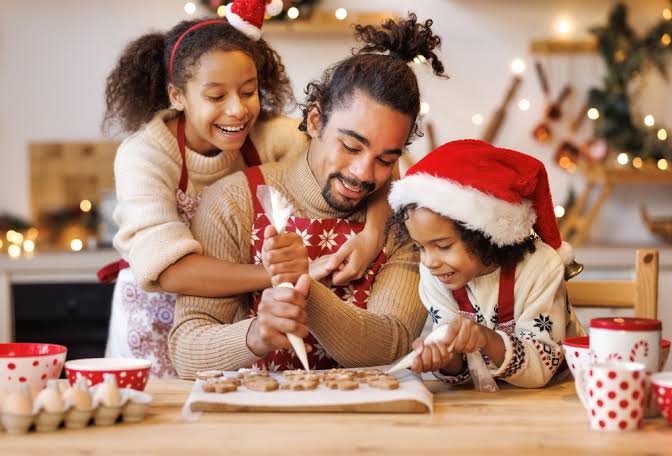
For parents, Christmas provides an opportunity to become more actively involved in their children’s lives. Beyond purchasing expensive presents, creating enjoyable experiences within the home can make the holidays particularly special for younger family members. Decorating the house together, preparing Christmas meals, organising family games, telling stories and taking photographs are simple activities that can become treasured childhood memories.
Families can also introduce traditions that everyone looks forward to each year. These might include having a special Christmas breakfast, attending church together, visiting grandparents, organising a family dinner or spending an afternoon engaging in outdoor activities. Such traditions help establish a sense of belonging and provide relatives with something meaningful to anticipate whenever the festive season returns.
For people who have relatives living in different towns, cities or countries, December can also be an appropriate time to arrange family reunions. Those intending to travel should make transportation and accommodation arrangements early, particularly because demand for travel services usually increases during the festive period. It is equally important to ensure that vehicles are roadworthy and journeys are planned responsibly.
Ghana’s December celebrations also provide numerous opportunities for families and couples to explore entertainment, tourism and cultural activities. The Ghana Tourism Authority has announced more than 150 registered events across the country for the 2026 festive season, creating opportunities for residents and visitors to experience different aspects of Ghanaian culture and entertainment.
Nevertheless, families should avoid filling every available day with parties, concerts and social engagements. Although attending public events can be enjoyable, reserving sufficient time for private family activities is equally important. Couples should consider setting aside specific days for themselves, while parents can organise outings that allow children to enjoy the holidays without being overwhelmed by a packed schedule.
Another meaningful way to celebrate Christmas is through generosity and acts of kindness. The festive period provides an opportunity to remember elderly relatives, support vulnerable members of the community and reach out to friends who may be experiencing difficult circumstances. Visiting an elderly family member, sharing food with neighbours or making a thoughtful contribution towards someone in need can give the season a deeper sense of purpose.
Households preparing to host relatives should also begin organising their homes ahead of time. Cleaning, arranging guest accommodation, checking household supplies and planning meals can reduce the pressure that often accompanies hosting visitors. Rather than leaving every responsibility to one person, family members should share the workload and participate in the preparations.
Importantly, people should also pay attention to their personal safety throughout the celebrations. Increased shopping, travelling and attendance at public gatherings require extra vigilance. Consumers should check the condition and expiry dates of food products, protect their valuables in crowded places and exercise caution when purchasing items from unfamiliar online vendors. At home, families should avoid overloading electrical sockets, leaving cooking unattended or exposing children to potentially dangerous decorations and appliances.
Pulse Ghana+1
Beyond the physical preparations, the festive season should also be approached with an appreciation for the emotional wellbeing of family members. Not everyone experiences Christmas in the same way, and some people may be dealing with bereavement, financial difficulties, loneliness or other personal challenges. Being considerate, avoiding unnecessary disagreements and showing understanding towards others can help create a more welcoming atmosphere.
For couples, in particular, the season should not become another occasion for arguments over money, family obligations or competing expectations. Open communication, mutual consideration and a willingness to compromise can help prevent avoidable disagreements and ensure that both partners enjoy the celebrations.
Ultimately, a memorable festive season does not necessarily depend on how much money is spent, the number of parties attended or the extravagance of gifts purchased. Its lasting significance comes from the relationships nurtured, the conversations shared, the kindness extended and the experiences created with those who matter most.
As Christmas and the New Year draw closer, individuals and families should therefore begin making thoughtful preparations, setting realistic priorities and creating opportunities to reconnect. After all, the greatest gift many people can offer their spouses, children, relatives and friends is their time, attention and genuine presence.
This Christmas, the objective should be more than simply celebrating another holiday. It should be about creating meaningful experiences, strengthening family bonds and making memories that will remain long after the decorations have been put away.

