
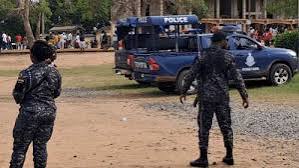

Sporadic gunfire has reportedly erupted at Nyanyano in the Gomoa East District of the Central Region following heightened tensions over a proposed homecoming celebration being organised by traditional authorities in the community.
The disturbance comes amid an unresolved chieftaincy dispute that has engulfed the area following the death of its traditional ruler, prompting authorities to introduce restrictions on activities considered capable of aggravating the existing tensions.

Disagreement reportedly intensified after sections of the community opposed the proposed ceremony, expressing concerns that proceeding with the event could deepen divisions and further destabilise the already sensitive traditional leadership situation.

The tensions subsequently escalated when some residents allegedly besieged the residence of the deceased chief in protest against the planned gathering, during which an official vehicle belonging to the traditional authorities was reportedly set ablaze.

The incident prompted the arrest of several suspects, a development that reportedly triggered further anger among sections of the community and heightened hostilities.
In the aftermath of the arrests, some agitated residents allegedly attempted to attack the Nyanyano Police Station, while sporadic gunshots were reportedly heard in different parts of the area.

The developments have heightened security concerns in Nyanyano, with the escalating confrontation raising fears over the possibility of further disturbances if the underlying disagreements are not addressed.
Details surrounding possible casualties, the extent of damage to property and the precise circumstances that led to the reported gunfire were not immediately available. The police response and any additional security measures being implemented in the community had also not been established at the time of reporting.

The latest disturbances underscore the continuing tensions surrounding the chieftaincy disagreement and the challenges confronting efforts to maintain peace in the community while traditional leadership issues remain unresolved.


