

The Ghana Meteorological Agency (Ghana Meteorological Agency) has issued a caution to the public, urging residents across the country to prepare for increasingly heavy and frequent rainfall in the coming weeks as Ghana moves deeper into the peak of the rainy season.
Speaking in an interview on the Channel One Newsroom on Saturday, May 23, Deputy Director for Forecasting at GMet, Joseph Tetteh Portuphy, indicated that the current rainfall activity is only an early indication of a more intense weather period expected to fully set in by June.

He explained that the country’s current weather behaviour reflects shifting climatic conditions, noting that Ghana experienced a relatively weak Harmattan season this year, with reduced haze and lower-than-usual cold conditions, a development he linked partly to the broader effects of climate variability and climate change.

According to him, the transition into the main rainy season is now underway, and the intensity of rainfall is expected to increase significantly in the coming weeks, with June projected to mark the peak of seasonal precipitation.

Mr. Portuphy cautioned that communities situated in low-lying and flood-prone areas must take early precautionary measures, stressing that residents should remain alert and consider temporary relocation where necessary during periods of heavy rainfall.
He further emphasized that individuals living near waterways and drainage channels should take proactive steps to reduce risk exposure, especially as continued rainfall is likely to worsen flooding conditions.

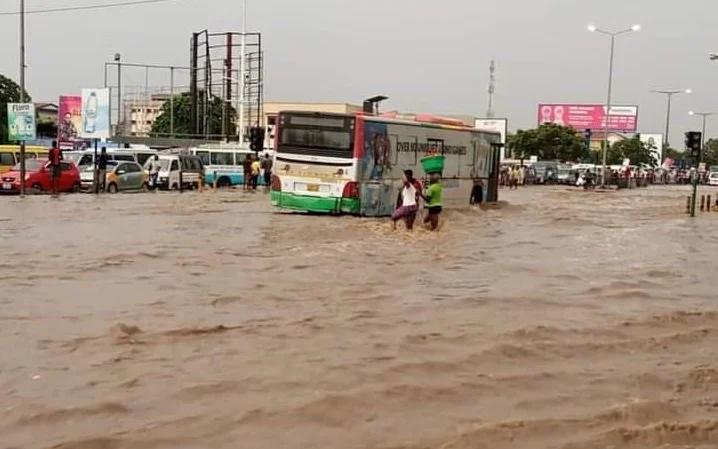
His warning follows torrential rains that struck parts of the Greater Accra Region on Friday, May 22, resulting in widespread flooding, displacement of residents, and significant disruption to transportation systems.
Several communities, including Alajo, Mallam, Baah Yard, SCC, and Dansoman, recorded severe water accumulation, with homes submerged and residents forced to evacuate as floodwaters entered living spaces and damaged property.

Motorists in affected areas were stranded as major roads became impassable, while traffic congestion worsened across key routes as commuters attempted to navigate the flooded city.

Residents impacted by the floods reported extensive losses, including destruction of household items, electrical appliances, and personal belongings, highlighting ongoing challenges with urban drainage and climate resilience in the capital.

