
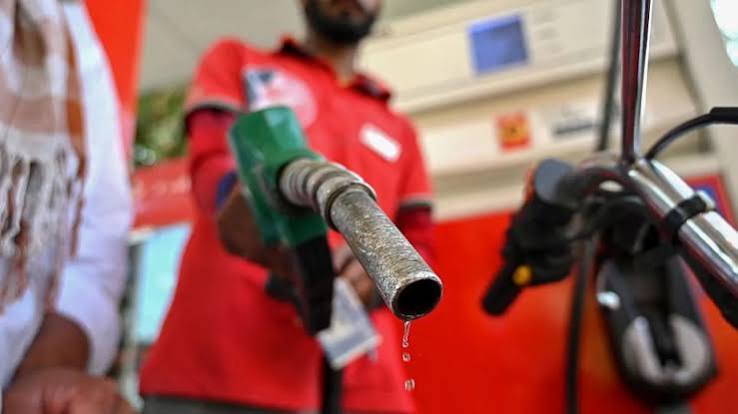

Ghanaian motorists and households that depend on petroleum products are facing another increase in fuel costs, with the Chamber of Petroleum Consumers projecting significant upward adjustments in petrol, diesel and Liquefied Petroleum Gas prices from Wednesday, September 16.
Under the latest projection issued by COPEC on September 13, petrol is expected to rise by approximately 4.24 percent, while diesel could record a substantially steeper increase of 10.23 percent during the second petroleum pricing window of September.

Liquefied Petroleum Gas is also expected to become more expensive, with COPEC forecasting an average retail price of approximately GH¢15.32 per kilogramme.

The projected increases have been attributed principally to a sharp escalation in international crude oil and refined petroleum product prices, which has outweighed the marginal improvement recorded by the Ghana cedi against the United States dollar during the latest pricing period.

COPEC said the average international crude oil price surged from US$89.30 to US$103.07 per barrel during the period under review, representing a substantial increase that is expected to exert fresh pressure on the domestic petroleum market.
The development is particularly significant because the latest movement in global crude prices comes after Ghanaian consumers had already experienced successive adjustments in petroleum prices during the preceding pricing windows.

Although the Ghana cedi strengthened marginally against the United States dollar during the latest period, the improvement was not sufficient to offset the substantial increase in international petroleum prices.
COPEC said the average interbank exchange rate moved from GH¢11.5166 to the United States dollar at the beginning of the current pricing window to GH¢11.4830 at its close.

The movement represented an appreciation of approximately 0.29 percent in the value of the cedi against the dollar.

However, the relatively modest currency gain was overwhelmed by considerably stronger international prices for refined petroleum products.
For petrol, COPEC said the international Free on Board price increased from US$1,136.50 to US$1,251.07 per metric tonne.
That represents an increase of approximately 10.08 percent and constitutes the principal source of pressure behind the expected adjustment in the domestic retail price.
After incorporating the marginal appreciation of the cedi, COPEC projects that petrol could rise to approximately GH¢16.26 per litre from Wednesday.
The projected price would represent a 4.24 percent increase from the current average pump price of GH¢15.60 per litre.
Under its estimated five percent variation range, COPEC expects petrol prices to fall within approximately GH¢15.44 and GH¢17.08 per litre during the forthcoming pricing window.
The projected increase means motorists could see the cost of filling their vehicles rise further at a time when transport operators and private vehicle owners are already contending with elevated operating expenses.
Diesel, however, is expected to experience the most pronounced increase among the major petroleum products.
According to COPEC, the international Free on Board price of diesel climbed from US$1,250.50 to US$1,404.73 per metric tonne.
The movement represents a 12.33 percent increase in the international price of the refined product.
After taking the marginal appreciation of the cedi into account, COPEC estimates that diesel could sell at approximately GH¢19.07 per litre from Wednesday.
That would amount to a 10.23 percent increase from the current mean price of GH¢17.30 per litre.
The anticipated diesel increase could have wider economic consequences because diesel is heavily relied upon by commercial transport operators, heavy duty vehicles, logistics companies, construction firms, agricultural machinery and businesses that operate generators and other fuel powered equipment.
Any substantial rise in diesel costs therefore has the potential to extend beyond filling stations and feed into transportation charges, distribution expenses and the cost of moving goods and services across the country.
The expected adjustment also comes after COPEC had already warned earlier in September that rising global crude oil prices, which had crossed the US$100 per barrel threshold, could place additional pressure on Ghanaian pump prices.
COPEC Executive Secretary Duncan Amoah had indicated that the international price movement would take some time to filter through the refining and importation chain before becoming fully reflected in domestic pump prices.
The latest projection suggests that the anticipated international pressure is now being transmitted more directly into Ghana’s petroleum market.
The situation also highlights the important role played by refined petroleum product prices and exchange rate movements in determining domestic fuel costs.
While a stronger cedi generally reduces the local currency cost of imported petroleum products, the latest figures demonstrate that a modest currency appreciation can be overwhelmed when international product prices rise sharply.
The pressure is not confined to petrol and diesel.
LPG is also expected to become more expensive during the new pricing window, with COPEC projecting a retail price of approximately GH¢15.32 per kilogramme.
The expected increase could place additional financial pressure on households that rely on LPG for cooking, particularly low and middle income families that have increasingly shifted away from traditional cooking fuels.
The latest projection marks another notable movement in the petroleum market after COPEC had forecast relatively modest increases for the first September pricing window.
At the beginning of September, the chamber had projected petrol at approximately GH¢16.21 per litre, diesel at GH¢17.61 per litre and LPG at about GH¢14.19 per kilogramme.
The latest figures therefore point to a considerably stronger upward pressure during the second half of the month, particularly in the case of diesel.
COPEC’s latest assessment, however, remains a projection rather than a guaranteed pump price for every filling station.
Oil Marketing Companies determine their individual retail prices within prevailing market conditions, meaning actual prices could vary from one station to another.
Current reference data also shows that the National Petroleum Authority’s floor prices for the September 1 to September 16 pricing window were GH¢14.53 per litre for petrol and GH¢15.60 per litre for diesel, although actual pump prices are generally higher and differ among individual fuel stations.
The anticipated increases nevertheless provide an early indication of the pressure consumers could face when the new pricing window takes effect.
For commercial drivers, the sharp projected rise in diesel prices could become particularly consequential because fuel constitutes a major component of their operating expenditure.
Transport operators facing higher fuel bills could subsequently seek adjustments in fares to compensate for increased running costs, although the extent to which such increases would be passed on to passengers would depend on market conditions and regulatory considerations.
Businesses could also face higher logistics and distribution expenses as the cost of transporting merchandise and raw materials increases.
For households, the projected rise in petrol and LPG prices could similarly affect monthly expenditure, especially for families that depend on private vehicles or LPG for cooking.
The latest developments therefore extend beyond the petroleum sector itself and could influence the broader cost of living if the higher energy costs persist.
The immediate concern for consumers will now be how much of COPEC’s projection materialises at the pumps when the second September pricing window begins on Wednesday.
With crude oil prices having moved above the US$100 per barrel level and international refined product prices recording substantial increases, the latest forecast suggests that the pressure on Ghana’s petroleum market is likely to remain significant unless there is a reversal in global oil prices or a stronger appreciation of the cedi.
For motorists and households, the coming pricing window could consequently bring another round of higher energy costs, with diesel users facing the sharpest increase and petrol and LPG consumers also expected to pay more.

