

Vice President Mahamudu Bawumia has challenged stakeholders in
the road infrastructure provision system to critically evaluate the
current financing models for financing road construction and explore
ways to bridge the huge financing gap.
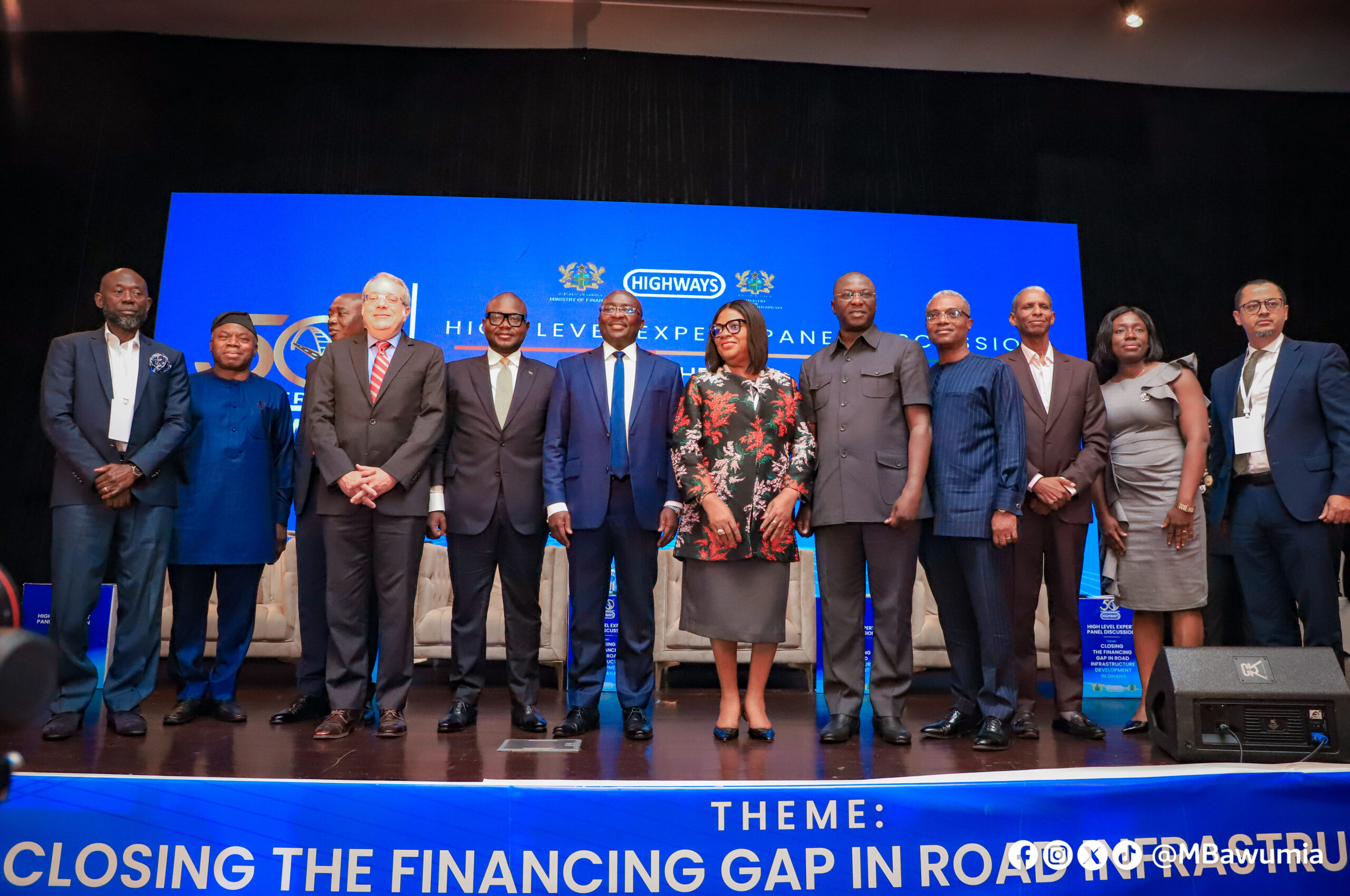
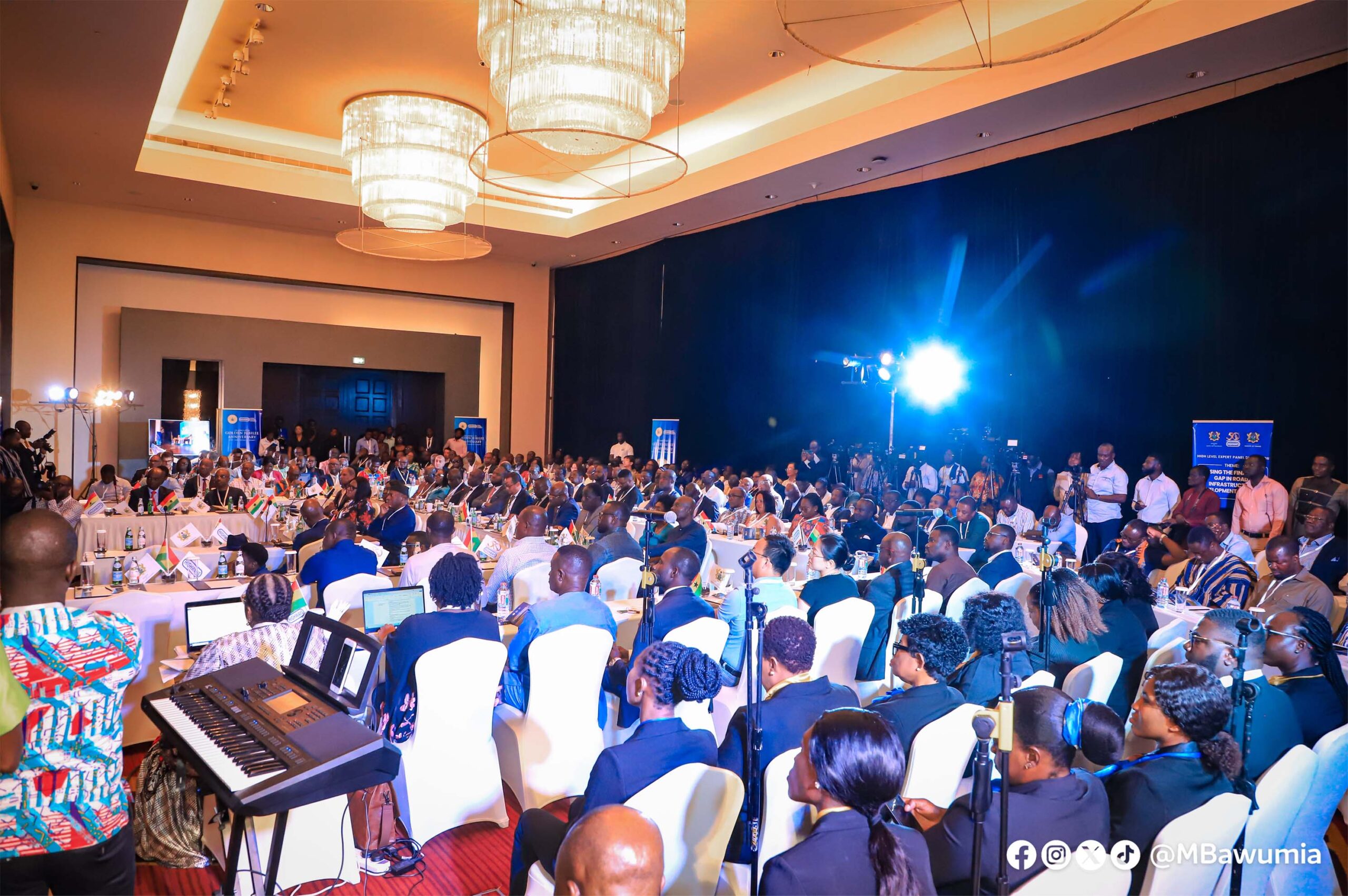
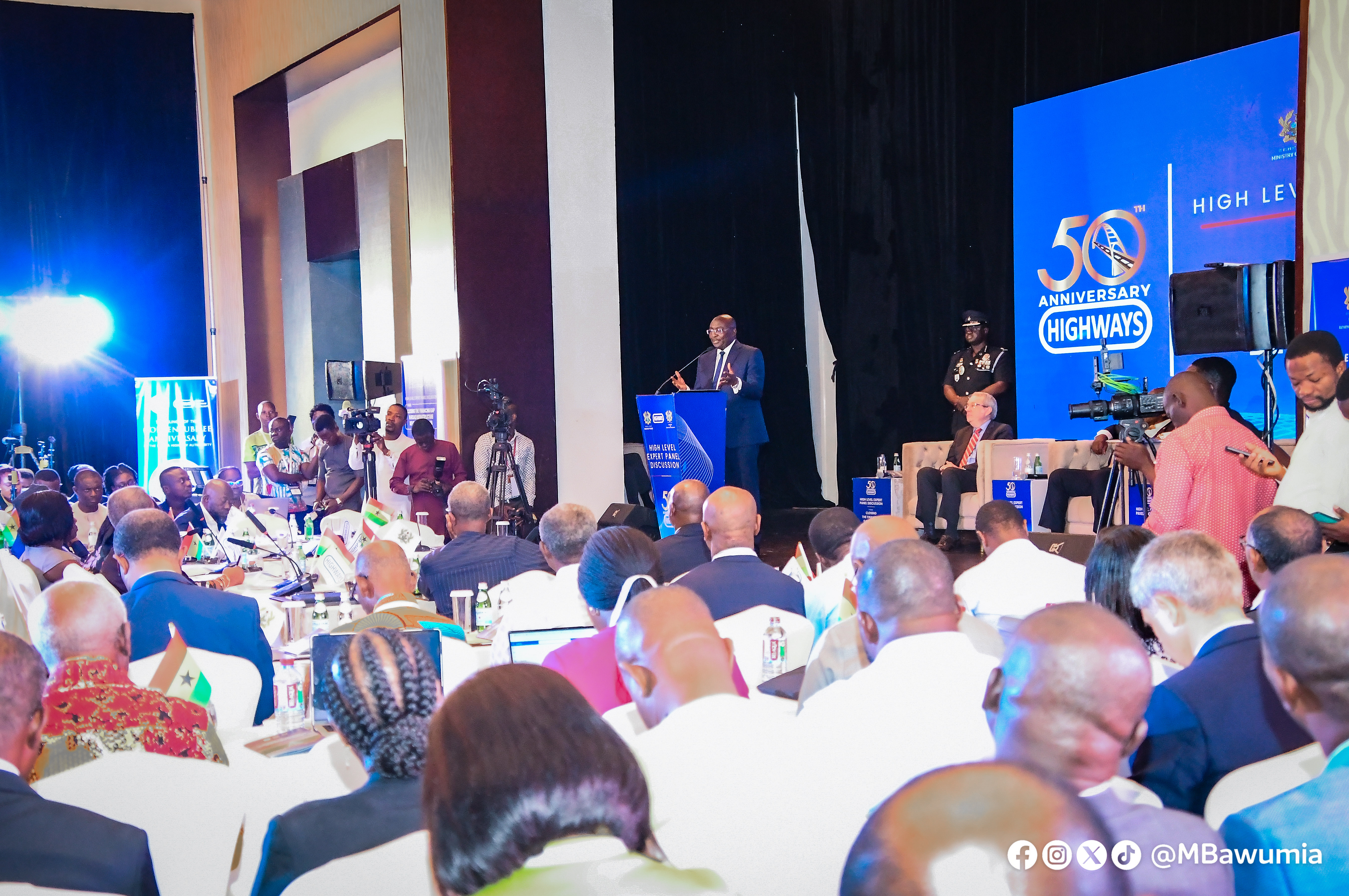
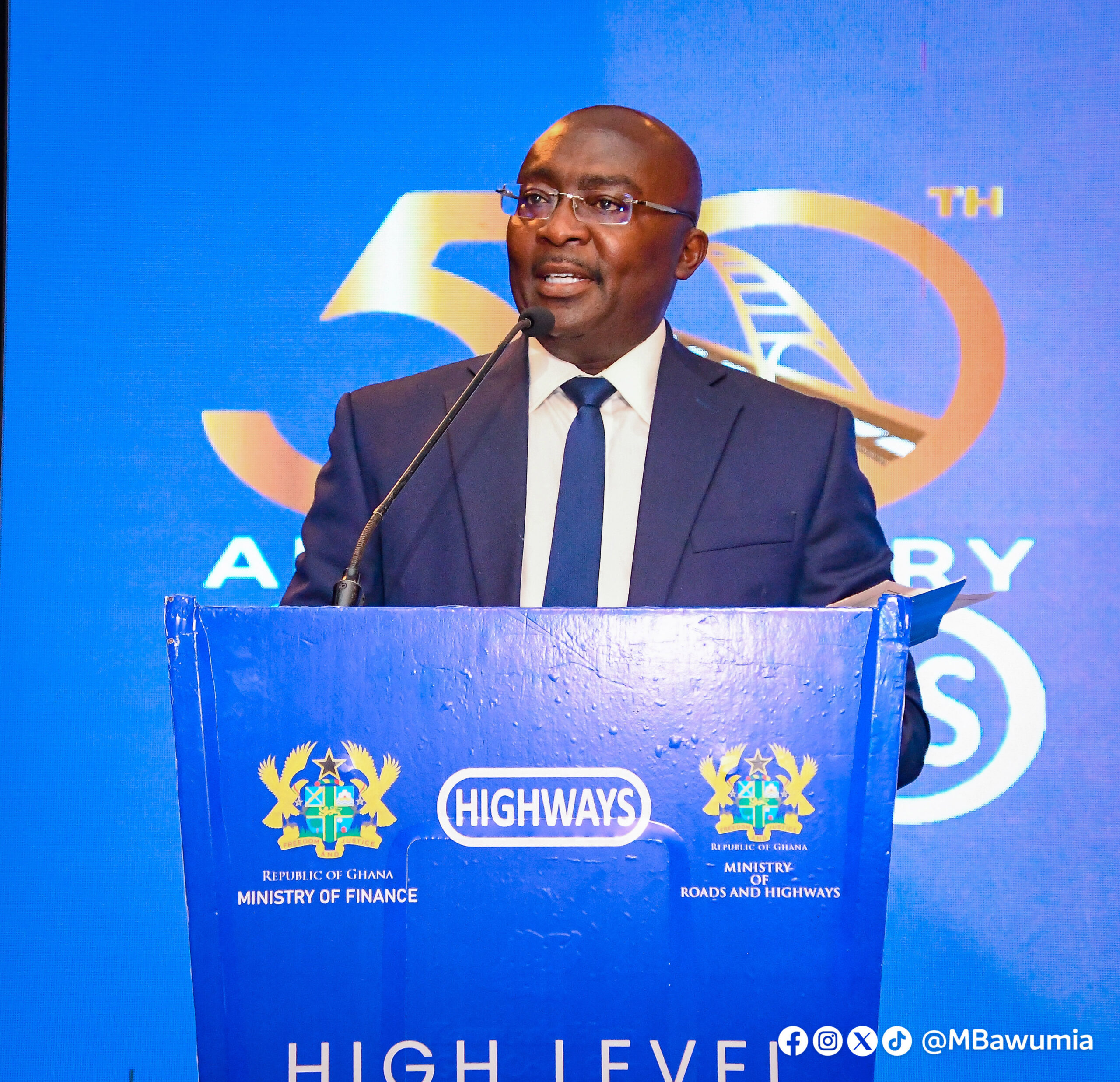
Speaking at the Ghana Highway Authority’s High Level Panel
Discussion on the Financing Gap on Road Development in Accra on
Wednesday, 7th August, 2024 Dr Bawumia noted that road transport
is far and away the most commonly used means of transporting
goods and persons in Ghana, thus the need to find sustainable
financing to maintain the over 94,000 km network of roads.
“According to recent estimates, our nation requires 12 billion Dollars
to clear the maintenance backlog and enable the network of about
94,203km to be at an optimal level. However, current funding levels
only cover about 38% of this requirement, leaving a significant
shortfall. This gap translates into deteriorating road conditions,
increased maintenance costs, and missed economic opportunities.
“Globally, the situation is similar. The African Development Bank
reports a continental infrastructure financing gap of between $68
billion and $108 billion annually. This staggering figure underscores
the importance of innovative solutions and strategic partnerships,”
he emphasized
Pointing out that Public-Private Partnerships offer a viable solution
to bridge the financing gap, Vice President Bawumia noted that such
arrangements has several potentials.
“By fostering collaboration between the public sector and private
investors, we can unlock new funding streams and leverage expertise
in project implementation. Successful PPPs have been implemented
worldwide, demonstrating their potential to deliver infrastructure
projects on time and within budget.
“To foster successful partnerships, it is essential to build strong
relationships with construction firms, engineering companies, and
technology innovators who can provide both financial support and
valuable expertise. Public-private partnerships (PPPs) are vital for
sharing the responsibilities and rewards of infrastructure
development. Such collaborations often lead to improved quality of
infrastructure and can significantly reduce the burden on public
finances, allowing for the reinvestment of savings into other
essential areas,” he maintained.
Challenging the participants to explore innovative financing models
such as the issuance of Infrastructure and Municipal bonds, and
reforming the tolling system to ensure equity in its payment, Vice
President Bawumia stressed the importance of generating
sustainable revenue streams for road development and
maintenance.
“It is evident that we need to discuss a major paradigm shift in road
financing at this technical forum. Some areas you might consider
include Concessioning of high-volume roads over a period. This could
be done on major trunk roads like Accra-Kumasi, Accra-Cape Coast,
Accra-Akosombo as well new ring roads/ expressways around our
major urban centres.
“Congestion pricing which aims to reduce the entry of low-capacity
vehicles into central business districts and encourage the use of high-
occupancy vehicles is also another option.”
Discussing what he termed a possibly controversial initiative, Dr
Bawumia stated: “I wish to propose a radical reform of the road
tolling system in use. It appears we are tolling the poor and leaving
the rich and affluent to enjoy. Persons who live in places such as East

Legon, Cantonments, Ridge and Labone don’t pay any tolls, but they
have some of the best roads in Ghana. Meanwhile people living in
Kasoa, those who ply the motorway daily and others who pay tolls do
not have these quality roads. I propose a major reform of the system,
maybe a toll on a good all drivers and passengers use irrespective of
where they live, to address the concerns about equity and
affordability.”
Dr Bawumia called for “realistic, frank and practical solutions,”
noting that “Closing the financing gap in road development is not a
task we can achieve alone. It requires collaboration, innovation, and
a shared commitment to sustainable development. By embracing
these principles, I am confident that we can build a road network
that supports our economic ambitions and enhances the quality of
life for our citizens.
“Our government stands ready to lead this effort in working with all
stakeholders to transform our infrastructure landscape. Together, we
can pave the way for a brighter, more connected future” he
declared.
Also joining the call to find ways to bridge the financing gap the
Minister for Roads and Highways, Hon Francis Asenso-Boakye
disclosed that at the end of 2023, 44% of Ghana’s road network was
classified as Good, 34% as Fair and 22% as Poor, as against the
original target of 70% Good, 20% Fair and not more than 10% in poor
condition by the end of 2025.
“Obviously, it quite evident that from where we are now, it will be
quite an arduous task to be able to achieve the target,” he
bemoaned.
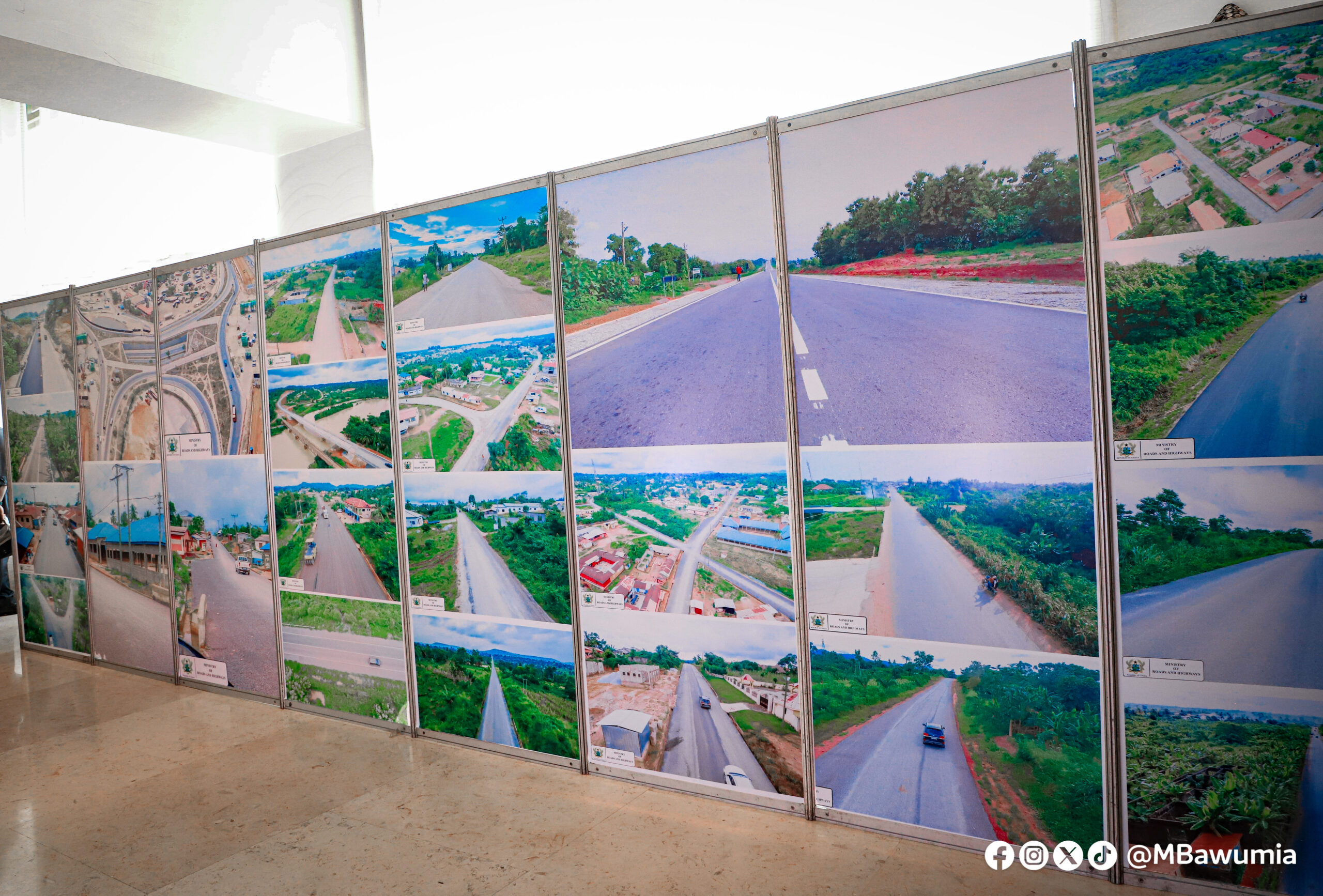
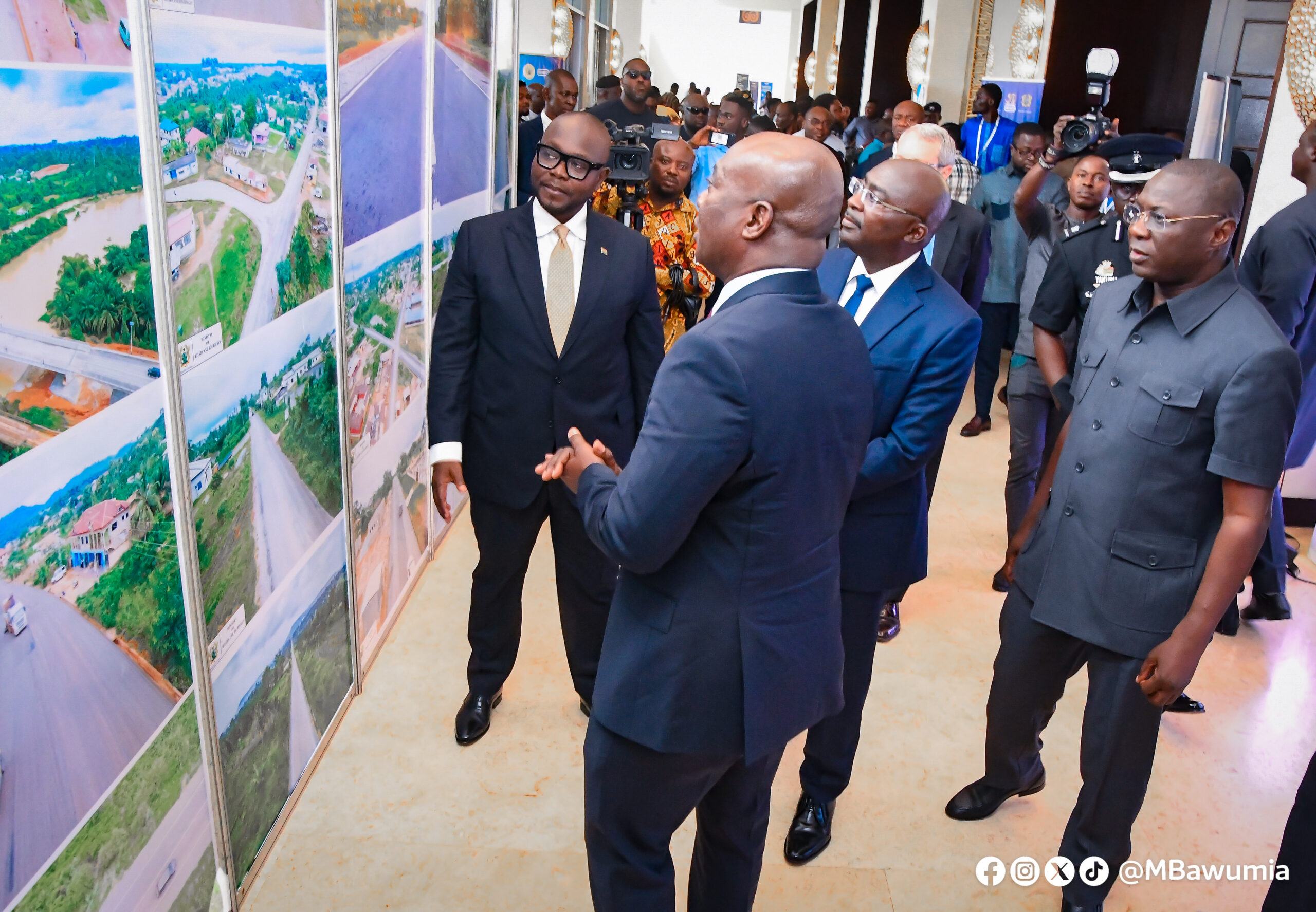
Despite the many challenges, this government, the Minister
disclosed, had added an impressive 12,830 kilometers of roads to our
national network between 2017 and 2023, nearly triple the 4,636
kilometers added by the previous administration.


