
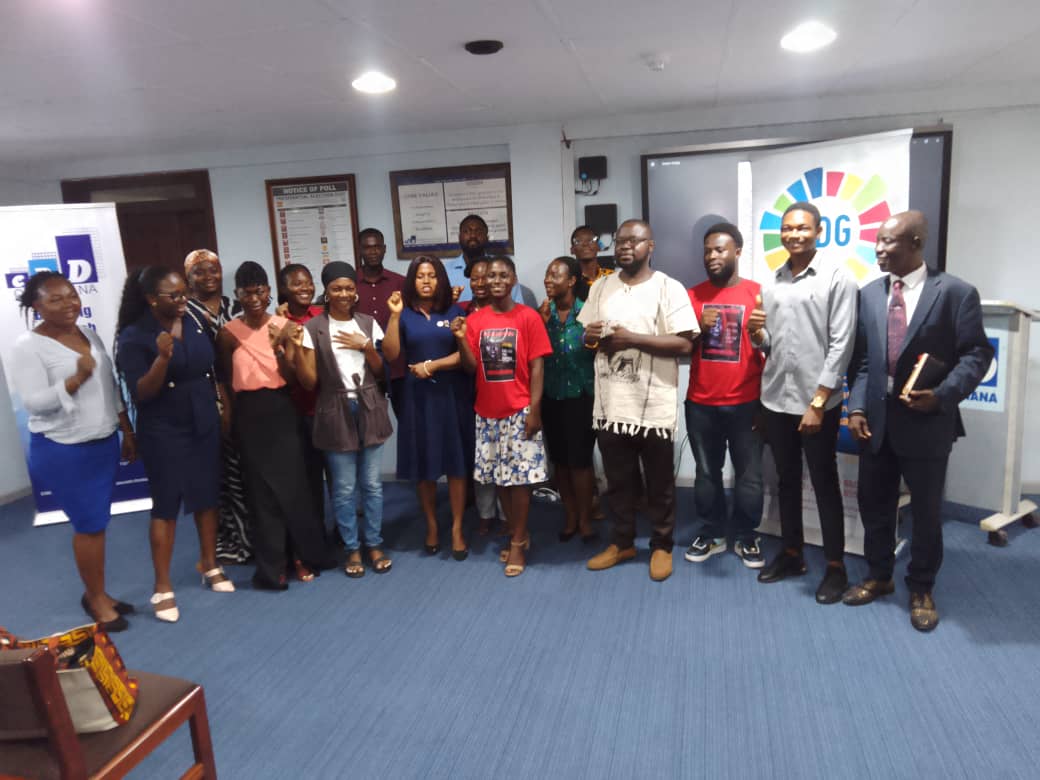

Report by Ben LARYEA
Ghana Civil Society Platform on sustainable development goals have urged the Ghana Education Service (GES) to fast-track the guidelines for menstrual hygiene facilities particularly girls in schools across the country.

According to the group, 40% of basic schools in the country do not have access to sanitary facilities saying the non-availability of these hygiene facilities affect adolescent girls retention in schools as most girls miss school during their menstrual (cycle), adding that the cascading effects of this challenge on girls lives are worrying and have impacted negatively of girls participation in the formal economy and have widening also the gender and income inequalities.

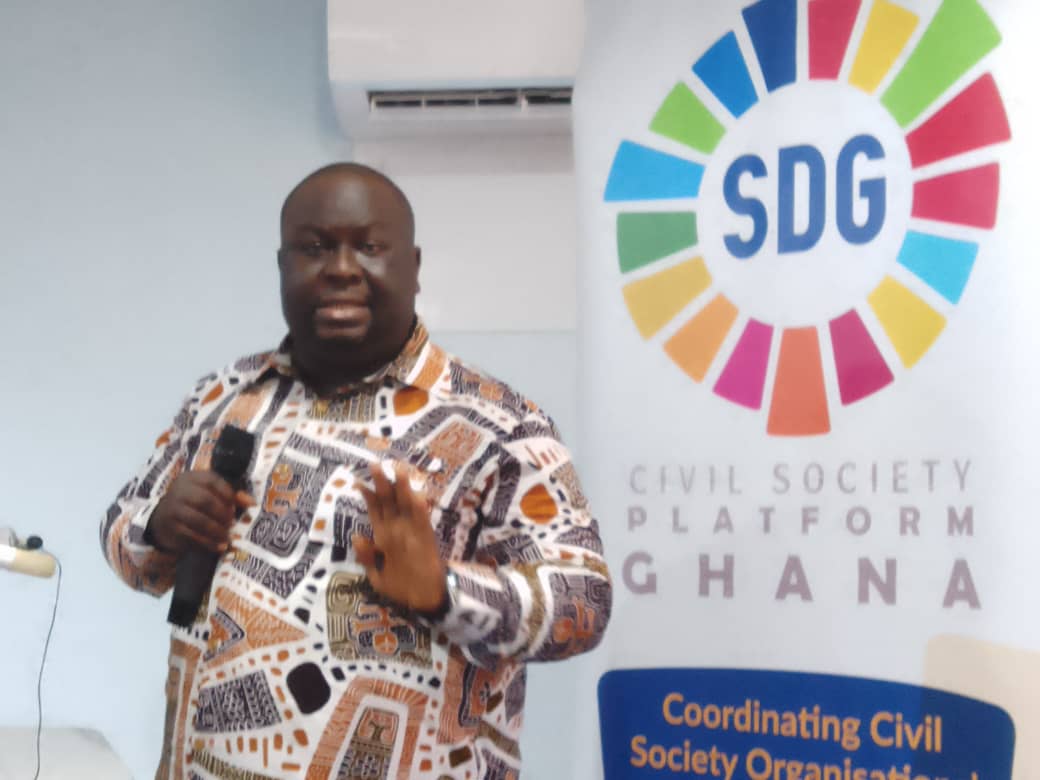
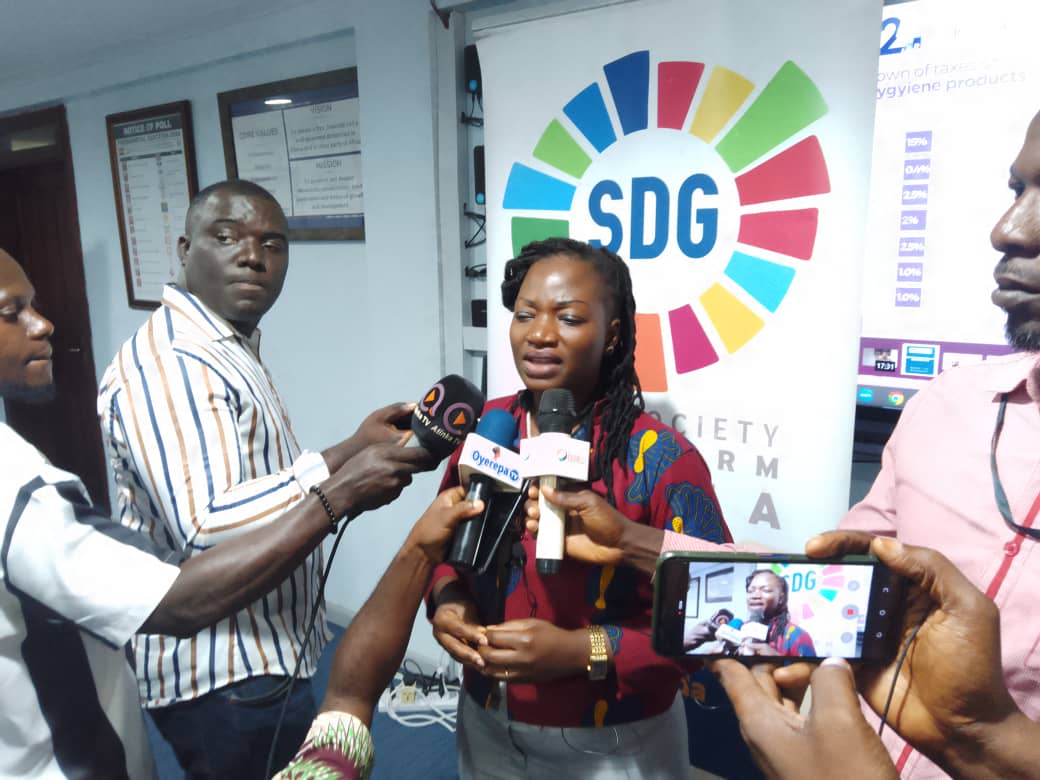
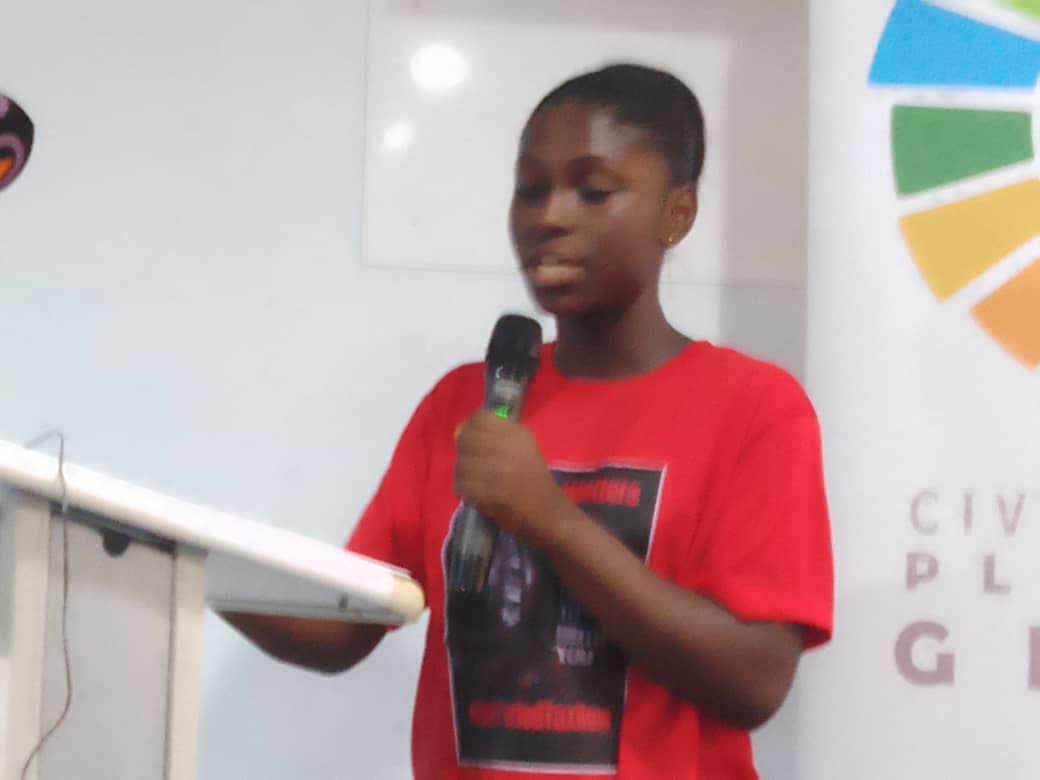
At a press conference in Accra, Ms. Angel Cudjoe on behalf of the Group said, government under the Harmonized System Code 9619001000 classifies sanitary pads as “Miscellaneous Manufactured Articles” attracting 20% import duty with 15% import Vat making sanitary pads unaffordable to the low income households.

“The Group in these regard is appealing to governments to take steps, to scrap off the sanitary pads taxes as women and girls requires more than one sanitary pads pending on the flow per period cycle”. She added
The group however, urged government to increase budgetary funding for WASH services in MMDAs across the country to enable them provide the needed separate WASH facilities for boys and girls that correspond to WASH standards for schools across the country.

It stated further, girls education as an investment in to the future and have viable returns such as health and economic prosperity of women and families and explained that when women and girls have access to safe and affordable sanitary facilities, adding the gesture gives girls the privacy to manage menstrual (cycle) with a minimum risk and infection.
She said such measures must always be in place to reduce teen pregnancy, urinating tract infection which can result in future infertility and birth complications and therefore urged Civil Society Organizations (CSOs) as well as development partners to collaborate with government in the promotion of easy access to good and quality WASH facilities.

“There is also the need to intensify education on menstrual hygiene management in all communities across the country in order to break discriminatory social and gender norms misconceptions, stigma and other challenges associated with menstrual issues in the country” Ms. Angel Cudjoe said.

She therefore called on government to support local industries by giving them tax exemptions and incentives as a measure to enable the companies reach their production capacities and also meet market demands on WASH facilities.

