
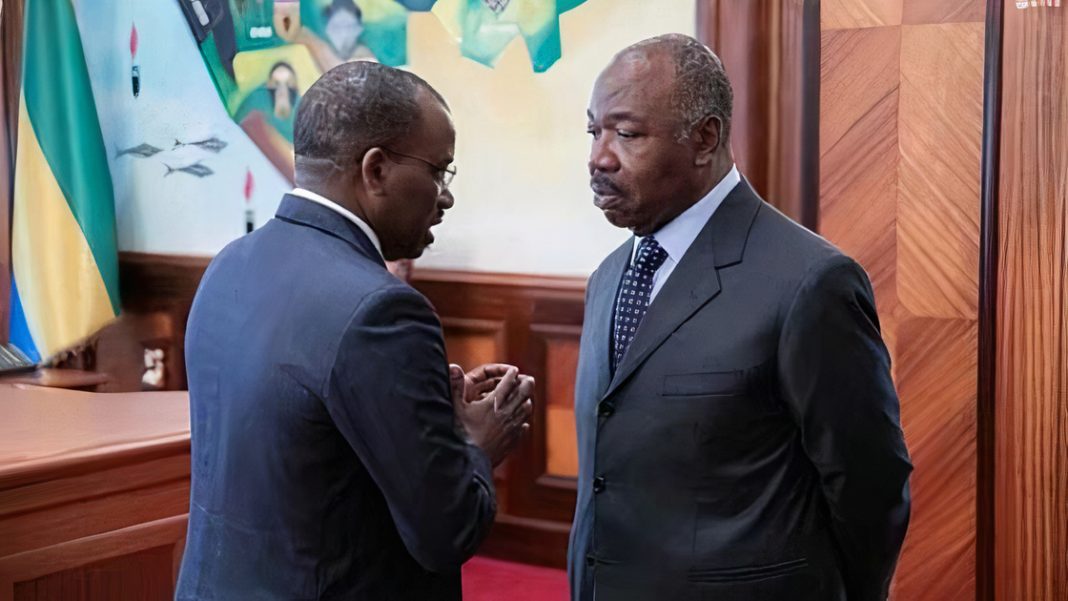

Ahead of African Energy Week organized by the African Energy Chamber in partnership with South Africa’s Department of Mineral Resources and Energy, we examine the work of President Ali Bongo on an inclusive energy transition. It describes the status of his country’s energy industry and calls for African priorities to be counted as the world prepares to transition away from fossil fuels. The country has been an oil and gas producing region for more than 50 years and has historically relied heavily on energy revenues, although it is diversifying its economy. At the same time, Gabon recently reached a milestone in the fight against climate change. Africa must have a say in how the continent addresses and responds to climate change goals and believes that requiring nations to restrict or exit oil and gas activities before they are ready will have broad and lasting consequences.
https://www.thedailysearchlight.com/gabons-president…nergy-transition/

For more than 50 years, oil and gas production has provided an economic base for the government and citizens of Gabon. Gabon, which rejoined OPEC in 2016 after a 21-year absence, is the fifth-largest oil producer in sub-Saharan Africa with production currently at 198,000 barrels per day. Over the past five years, Gabon’s oil sector has represented on average 45% of GDP and 60% of fiscal revenue. World Bank credits Gabon’s oil and manganese sectors with driving strong economic growth over the past 10 years and describes Gabon as an upper-middle-income country. Still, we recognize there is income inequality in Gabon’s nation. It’s important to note, however, that most of Gabon’s impoverished population works in the agricultural sector.

In 2017, oil revenues dropped slightly from Gabon’s mature fields, which are in natural decline. This is nothing unusual or unique to Gabon. Energy reservoirs have life cycles and eventually production falls off, although technology can revitalize even abandoned fields.

To counter the decline, Gabon has push for a diversified economy and invited interest in new oil and gas development, particularly in previously unexplored deep waters. Offshore resources are believed to make up more than 70% of Gabon’s 2 billion barrels of total reserves.

