
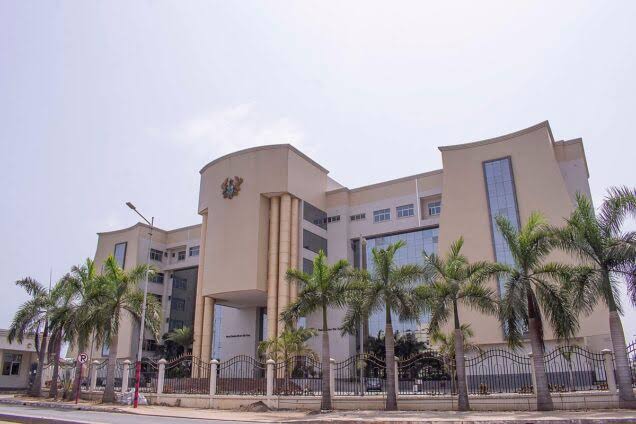

The Judicial Service Staff Association of Ghana (JUSAG) has threatened to embark on an indefinite nationwide strike from Monday, November 2, 2026, unless the government approves and pays its members’ revised salaries and allowances for the year. The association has given the government until Saturday, October 31, to approve the Judicial Council’s recommendations on the 2026 salary review, with payment expected in November, including arrears covering January to October. In a formal notice of industrial action dated October 23, 2026, and addressed to the Executive Secretary of the National Labour Commission, JUSAG said prolonged delays in completing the salary review process had heightened frustration among members and adversely affected staff morale. The association explained that the Judicial Council had completed its assessment and submitted recommendations on the revised remuneration to President John Dramani Mahama for determination, in accordance with Article 149 of the 1992 Constitution and the Judicial Service (Terms and Conditions of Service) Regulations, 2025, also known as C.I. 141. However, JUSAG said repeated attempts to secure approval had failed to produce a concrete outcome, despite correspondence with the Judicial Council and Judicial Service Management, alongside appeals to the government. The association disclosed that it first wrote to the Judicial Council on January 19, 2026, requesting that the process be expedited, before renewing its appeal in a letter dated September 10. It also cited appeals made during its Second Quadrennial Delegates’ Conference in Tamale in August, the 45th Conference of the Association of Magistrates and Judges of Ghana in Accra in September, and the Chief Justice’s Staff Durbar held in Tamale during the same month. According to JUSAG, these engagements generated assurances but did not result in the approval and payment of the revised remuneration. The association expressed particular concern that other public sector workers had received approval and payment of their revised 2026 salaries in January, while Judicial Service employees remained without a concluded review as the year approached its final months. “It is instructive to note that our colleagues elsewhere in the public sector had their new salaries for 2026 approved and paid in January, 2026. We are now in the tenth month of the year, and our members are still waiting, patiently, but no longer quietly,” the notification stated. JUSAG further argued that the delay had created an uncomfortable situation in which organised labour was already negotiating base pay for 2027 while its own members were still awaiting a determination of their 2026 salaries and allowances. It warned that the prolonged uncertainty undermined the remuneration framework established under the new legal arrangements governing Judicial Service staff. The association said it had previously urged members to remain calm and exercise restraint because industrial action could disrupt justice delivery and potentially affect national security. It maintained that it had continued engaging management and the government in the hope of securing an amicable resolution. However, JUSAG said the financial pressure on members had intensified and that their willingness to continue waiting without a definite outcome had reached its limit. Its National Executive Council has consequently established two principal demands: approval of the Judicial Council’s recommendations on the 2026 salary review by the end of October, and payment of the revised salaries in November, together with arrears covering the period from January to October. The association warned that failure to meet the demands by Sunday, November 1, would trigger an indefinite strike beginning the following day. The industrial action, it said, would continue until the outstanding demands were fulfilled. The notification was copied to the Office of the President, the Judicial Secretary, the Attorney General and Minister for Justice, the Minister of Finance, and the Minister responsible for Jobs, Labour and Employment Relations. The threatened action places renewed pressure on the government and the relevant judicial authorities to resolve the outstanding remuneration dispute before the deadline. If the strike proceeds, court administration and other Judicial Service operations could face disruption, although the extent of any impact would depend on the scope of the action and the services affected. The immediate priority remains the resolution of the salary review through the established constitutional and administrative processes before the dispute escalates into an indefinite industrial confrontation.

