

Ghana’s electricity generation recorded a month on month decline in July 2026, dropping by 3.99 percent from the previous month, although total output remained considerably higher than the level recorded during the same period last year.
Figures contained in the latest electricity supply assessment by the Public Utilities Regulatory Commission show that national electricity generation decreased from 2,413.30 GWh in June to 2,317.13 GWh in July.

Despite the monthly contraction, July’s generation represented a 6.20 percent increase over the corresponding figure recorded in July 2025, indicating that electricity production continued to register annual growth even as output moderated during the month.

The PURC attributed part of the month on month reduction to seasonal movements in electricity demand, particularly lower consumption associated with improved weather conditions. The Commission nevertheless said generation remained resilient, while cautioning that fluctuations in output required close monitoring of generation availability and fuel supplies to preserve the reliability of electricity delivery.



Thermal generation continued to dominate Ghana’s electricity supply structure during the month, accounting for 74.33 percent of total national generation.
Thermal power plants produced 1,722.33 GWh in July, representing a 4.99 percent reduction from June. Despite the monthly decline, thermal generation increased by 11.25 percent compared with July 2025.

Hydroelectric generation contributed 579.45 GWh, equivalent to 25.01 percent of total electricity produced during the month. Hydro output declined marginally by 0.18 percent compared with June and recorded a more substantial 7.41 percent reduction compared with July 2025.
Solar power remained a relatively small component of the national generation mix, producing 15.35 GWh and accounting for just 0.66 percent of total electricity generation. Although solar output decreased by 13.76 percent from June, it registered a significant year on year increase of 96.26 percent.

The figures underline the continued dominance of thermal generation within Ghana’s electricity system and the comparatively limited contribution of non hydro renewable sources. PURC consequently stressed that the availability of fuel and the operational performance of thermal generating facilities remained central to maintaining a dependable electricity supply.

Among the thermal generating facilities, Karpowership emerged as the largest contributor in July, producing 311.72 GWh, which represented 13.45 percent of total national generation.
Sunon Asogli followed with 284.61 GWh, while the TICO and Cenpower facilities generated 232.51 GWh and 206.27 GWh respectively.
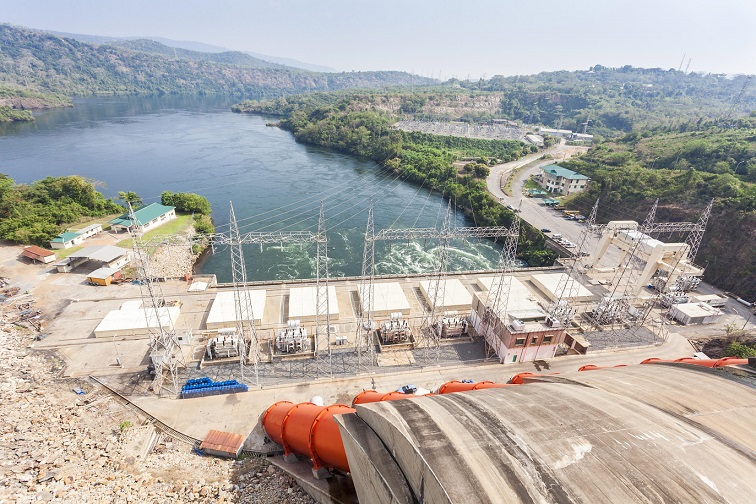
Hydroelectric generation was led overwhelmingly by the Akosombo Generating Station, which produced 435.53 GWh during the month. Kpong followed with 83.91 GWh, while Bui Generating Station contributed 60.01 GWh.
The latest figures come against the backdrop of continuing efforts to strengthen Ghana’s electricity infrastructure following the April 2026 fire incident that severely affected the GRIDCo control room at Akosombo. GRIDCo reported in July that a temporary transmission connection had been established and that a temporary control room was being equipped with critical protection and control systems to sustain reliable operations while longer term restoration work continued.
Ghana’s electricity system also recorded a peak demand of 3,968 MW in July 2026. Although the figure remained below the annual peak recorded in April, it was 6.61 percent higher than the peak demand registered in July 2025.
The increase in annual peak demand provides further evidence of continued growth in electricity consumption across the country, even though monthly demand patterns can fluctuate according to weather conditions and other seasonal factors.
Installed electricity generation capacity stood at 5,818 MW, while dependable generation capacity was recorded at 4,968 MW.
The resulting capacity surplus stood at 988 MW, producing a reserve margin of 24.82 percent. This was comfortably above the system adequacy benchmark of 18 percent.
The positive reserve margin indicates that dependable generation capacity was sufficient to meet the highest level of demand recorded during the month while retaining some additional capacity to respond to unforeseen disruptions within the power system.
The figures therefore present a mixed picture of Ghana’s electricity sector. On one hand, generation declined during July and the country remains heavily dependent on thermal facilities. On the other hand, annual electricity production continued to grow, peak demand increased compared with the previous year and the available reserve margin remained above the established adequacy threshold.
The heavy dependence on thermal generation nevertheless creates important risks for the stability and financial sustainability of the electricity sector. Thermal facilities require consistent access to fuel, while changes in fuel prices, foreign exchange conditions and supply interruptions can significantly affect generation costs and operational reliability.
This dependence has strengthened calls for Ghana to accelerate the development of renewable energy sources and broaden the composition of the national electricity generation portfolio.
Solar power, despite recording substantial annual growth in July, still contributed less than one percent of total generation during the month. The comparatively small contribution highlights the considerable scope for expanding renewable electricity production as part of efforts to reduce exposure to thermal generation risks.
The need for greater diversification has also been recognised within Ghana’s wider energy policy framework, with renewable energy regarded as an important avenue for improving long term energy security and reducing dependence on fuel intensive generation.
PURC’s July assessment consequently points to the importance of maintaining adequate fuel supplies for existing thermal facilities while simultaneously strengthening investment in alternative generation sources.
The Commission’s recommendation for accelerated renewable energy investment is intended not only to diversify Ghana’s generation mix but also to reduce vulnerability to fluctuations in thermal fuel costs and supply conditions.
For consumers and businesses, the central concern remains the reliability of electricity supply. Although July’s reserve margin provided a degree of operational flexibility, the combination of rising annual demand, heavy thermal dependence and continuing infrastructure restoration means that generation availability and fuel security will remain critical considerations for the power sector.
Ghana’s electricity sector therefore enters the latter part of 2026 with a generation system that retains adequate capacity but continues to face structural challenges. The immediate priority will be to safeguard the reliability of existing thermal and hydro facilities while accelerating investment in renewable generation so that future electricity demand can be met through a more diversified and resilient national power system.
The July figures show that Ghana is producing more electricity than it did a year earlier, but they also reinforce the need to ensure that future growth in demand is matched by dependable, affordable and increasingly diversified sources of generation.

