
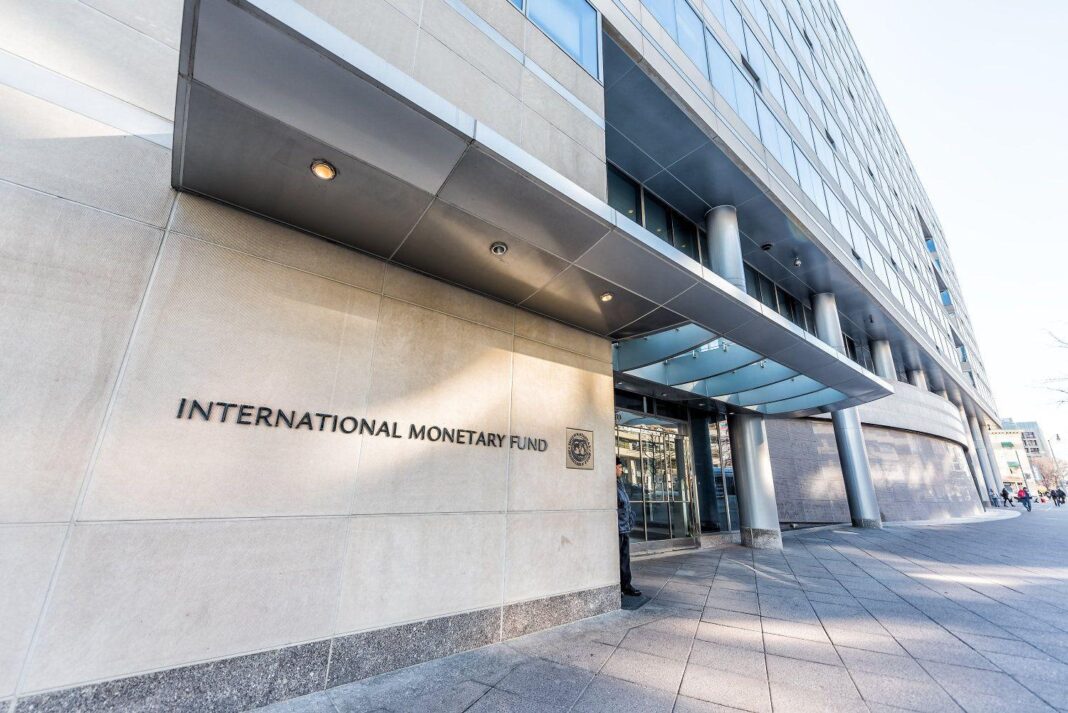

Ghana has reached one of the most consequential milestones in its recent economic history after successfully concluding its three year programme with the International Monetary Fund, following the approval of the country’s sixth and final review under the Extended Credit Facility by the IMF Executive Board. The landmark decision, taken during a meeting of the Fund’s Board in Washington, also ushers Ghana into a new chapter of economic management through the approval of a Policy Coordination Instrument, signalling continued international confidence in the country’s commitment to fiscal discipline, structural reforms and long term macroeconomic stability.
The decision represents far more than the completion of another international financial programme. It closes an important chapter that began in 2023 when Ghana sought emergency support from the International Monetary Fund after confronting one of the most severe economic crises in the nation’s democratic history. At the time, soaring inflation, a rapidly depreciating cedi, mounting public debt, declining foreign exchange reserves and the country’s loss of access to international capital markets had combined to create extraordinary economic pressures that demanded comprehensive intervention.

Information obtained by JoyBusiness indicates that the IMF Executive Board approved not only Ghana’s final programme assessment under the Extended Credit Facility but also endorsed the country’s request for a new Policy Coordination Instrument, creating the foundation for the next stage of Ghana’s economic transformation. The latest approval is expected to unlock more than US$300 million, with the funds anticipated to be transferred to the Bank of Ghana within the coming days.

Sources familiar with the deliberations further disclosed that the Executive Board approved Ghana’s 2026 Article IV Consultation, granted a waiver regarding the non observance of the performance criterion associated with the cost sharing arrangement for Ghana Gold Board operations and successfully completed the Financing Assurances Review. Collectively, these decisions demonstrate the Fund’s confidence that Ghana has substantially met the objectives of its economic recovery programme while acknowledging specific operational circumstances surrounding the implementation of some policy measures.

The completion of the Extended Credit Facility programme marks a defining achievement for Ghana’s economic recovery agenda. When the country entered the IMF supported arrangement in May 2023, it faced an exceptionally difficult macroeconomic environment characterised by debt distress, accelerating inflation that exceeded fifty percent, a sharp weakening of the national currency, declining investor confidence and serious concerns regarding fiscal sustainability. The programme was designed to restore confidence in the economy through prudent fiscal management, monetary policy reforms, debt restructuring, improvements in public financial management and institutional reforms aimed at strengthening economic governance.
Over the course of the three year programme, Ghana implemented wide ranging fiscal consolidation measures, pursued domestic and external debt restructuring, strengthened revenue mobilisation, reduced fiscal imbalances and introduced structural reforms across several sectors of the economy. Inflation declined dramatically from historic highs, foreign exchange reserves strengthened considerably, economic growth recovered beyond earlier projections and confidence gradually returned to financial markets. The successful completion of the programme therefore reflects years of difficult policy decisions undertaken by government authorities in collaboration with the Bank of Ghana and development partners.

The approval of the new Policy Coordination Instrument carries equally significant implications for Ghana’s future economic direction. Unlike the Extended Credit Facility, which provides direct financial assistance, the Policy Coordination Instrument serves primarily as a policy monitoring framework through which the International Monetary Fund supports countries that no longer require balance of payments financing but wish to maintain strong macroeconomic policies and credible reform commitments. The instrument enables Ghana to continue benefiting from IMF policy advice, technical expertise and international credibility without relying upon another large financial rescue package.
Economists believe this transition sends an important signal to international investors that Ghana has moved beyond crisis management toward sustainable economic stewardship. Continued engagement through the Policy Coordination Instrument is expected to reinforce fiscal discipline, improve policy predictability and strengthen investor confidence at a time when Ghana seeks to attract greater levels of foreign direct investment and restore full access to international financial markets.

The IMF Board’s endorsement is also expected to enhance Ghana’s standing among international credit rating agencies. Sovereign credit ratings suffered multiple downgrades during the country’s debt crisis, increasing borrowing costs and limiting access to external financing. The successful completion of the Extended Credit Facility programme, combined with continued policy oversight under the Policy Coordination Instrument, could support future credit rating upgrades if fiscal reforms remain firmly on course and debt sustainability continues to improve.

Historically, Ghana’s completion of the Extended Credit Facility programme represents one of the country’s most significant economic turning points since the implementation of earlier structural adjustment programmes during the nineteen eighties and subsequent IMF engagements in later decades. Unlike previous interventions, the latest programme unfolded within an environment shaped by the economic disruptions of the global pandemic, geopolitical tensions, rising global interest rates and domestic debt restructuring, making its successful conclusion particularly significant within the broader context of international economic uncertainty.
For the administration, the conclusion of the programme provides an opportunity to shift national attention from economic stabilisation toward inclusive growth, industrial expansion, employment creation and improvements in living standards. Nevertheless, economists caution that completing the IMF programme should not be interpreted as the end of Ghana’s reform journey. Sustaining fiscal discipline, broadening the tax base, strengthening domestic production, enhancing export competitiveness and maintaining prudent monetary policy will remain essential if the country is to preserve the gains achieved over the past three years.
The latest decisions by the IMF Executive Board therefore represent both the successful completion of an important rescue programme and the beginning of a new phase in Ghana’s economic development. Having restored a considerable measure of macroeconomic stability and renewed international confidence, Ghana now faces the equally important challenge of translating economic stability into broad based prosperity, sustained investment, stronger private sector growth and lasting improvements in the welfare of its citizens. The country’s successful graduation from the Extended Credit Facility, together with the approval of the Policy Coordination Instrument, establishes a new framework through which Ghana will seek to consolidate economic resilience while pursuing higher levels of growth and long term national development.

