
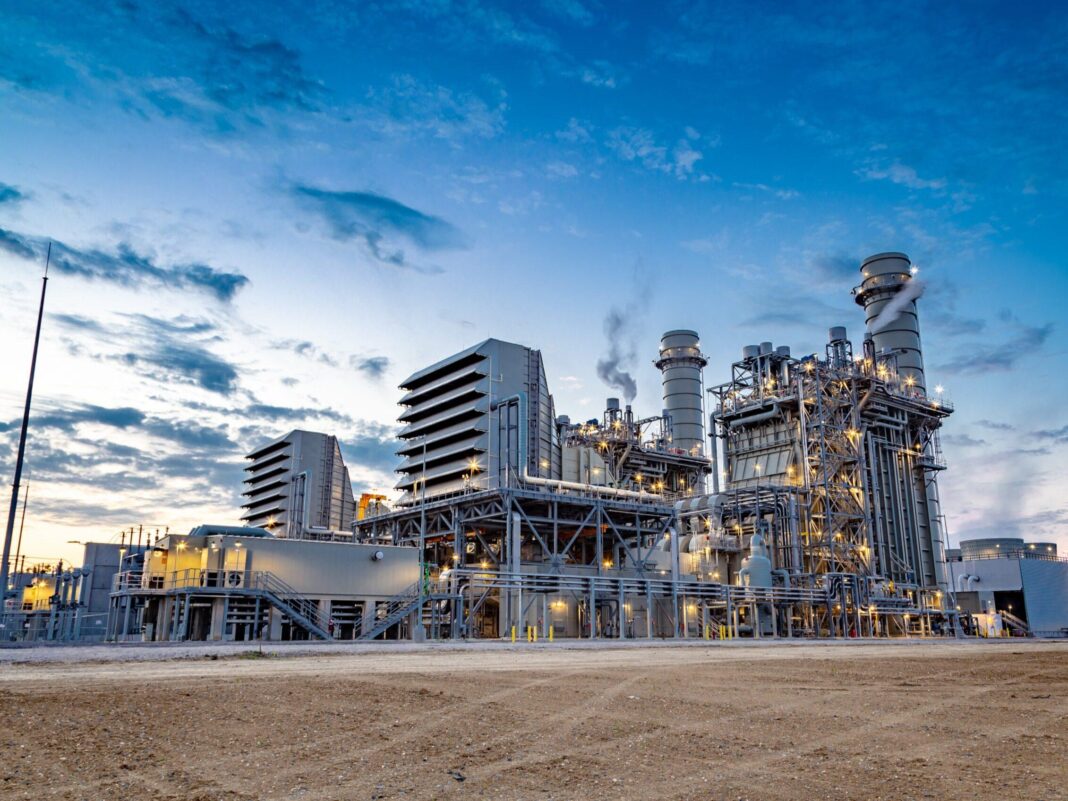

The Government of Ghana has announced one of its most ambitious energy infrastructure investments in recent years with plans to construct a 1,200 megawatt state owned combined cycle gas fired power plant in the Komenda Edina Eguafo Abrem Municipality of the Central Region. The landmark project, unveiled by Finance Minister Dr Cassiel Ato Forson during the presentation of the 2026 Mid Year Fiscal Policy Review, is expected to significantly expand Ghana’s electricity generation capacity, reduce the cost of power production, lower electricity tariffs for consumers and strengthen the country’s long term energy security.
The announcement marks a major milestone in Ghana’s strategy to modernise its power sector while addressing rising electricity demand driven by industrial expansion, urbanisation and economic growth. Once fully completed, the facility will become one of the largest state owned thermal power plants in Ghana and is expected to play a transformative role in supporting manufacturing, mining, agriculture, digital industries and other productive sectors that depend on a reliable electricity supply.

Presenting the Mid Year Budget Review before Parliament on Thursday, July 23, Dr Forson disclosed that the project will be located at Kafodzidzi Abrobeano in the Komenda Edina Eguafo Abrem Municipality. He revealed that comprehensive feasibility studies have already confirmed the technical and commercial viability of the investment, while critical preparatory activities are advancing steadily to pave the way for construction.

According to the Finance Minister, environmental assessments, engineering designs and statutory permitting processes are progressing in accordance with established regulatory requirements. These preparatory measures are intended to ensure that the project satisfies international technical standards while minimising environmental impacts and positioning the facility for efficient long term operation.

Dr Forson announced that the first phase of the project, comprising a 600 megawatt generating facility, is scheduled to become operational in 2028. The remaining capacity will subsequently complete the full 1,200 megawatt installation, substantially increasing Ghana’s available generation capacity and improving the resilience of the national electricity grid.
A defining feature of the initiative is the government’s decision to procure critical power generation equipment directly from global energy technology company GE Vernova rather than through intermediary suppliers. According to the Finance Minister, this procurement strategy is expected to generate savings of between thirty five percent and forty five percent compared with conventional third party acquisition arrangements. By reducing procurement costs, the government expects to deliver better value for public resources while ensuring access to advanced generation technology capable of improving operational efficiency and reducing maintenance expenses over the life of the facility.

Combined cycle gas fired power plants are widely regarded as among the most efficient thermal electricity generation technologies currently available. Unlike conventional single cycle facilities, combined cycle plants utilise both gas turbines and steam turbines to generate electricity from the same fuel source, allowing substantially more energy to be extracted from natural gas while consuming less fuel for every unit of electricity produced. This higher efficiency translates into lower operating costs, reduced greenhouse gas emissions and improved reliability compared with older thermal generation technologies.
The Finance Minister stated that the project is expected to lower the overall cost of electricity generation across the national power system, creating opportunities to reduce electricity tariffs by between ten percent and twenty percent. Lower energy costs could significantly improve the competitiveness of Ghanaian businesses by reducing production expenses for manufacturers, agro processors, mining companies, commercial enterprises and small businesses that depend heavily on electricity.

The economic implications extend beyond electricity pricing. Dr Forson disclosed that construction and the initial operational phase of the project are projected to create more than two thousand direct and indirect employment opportunities. These jobs are expected to span engineering, construction, transportation, logistics, equipment installation, technical services, environmental management and facility operations, thereby stimulating local economic activity within the Central Region and across the broader national economy.

The proposed investment also aligns with Ghana’s broader objective of strengthening domestic energy infrastructure while reducing dependence on expensive emergency power arrangements that have historically placed considerable pressure on public finances. By expanding efficient domestic generation capacity, the government aims to improve electricity reliability, minimise supply interruptions and support long term industrial development under its broader economic transformation agenda.
Historically, energy infrastructure has played a decisive role in Ghana’s economic development. Reliable electricity remains indispensable for industrialisation, digital transformation, healthcare delivery, education, modern agriculture and investment attraction. Previous periods of electricity shortages, commonly referred to as dumsor, imposed substantial economic costs on businesses and households, underscoring the strategic importance of sustained investment in generation, transmission and distribution infrastructure. Consequently, major additions to generation capacity have consistently represented significant milestones in Ghana’s national development agenda.
The planned Kafodzidzi Abrobeano combined cycle gas fired power plant therefore represents more than a conventional infrastructure project. It reflects a long term investment intended to strengthen Ghana’s energy independence, enhance the efficiency of the national electricity system, improve affordability for consumers and provide the reliable power foundation required to sustain industrial growth, attract private investment and accelerate economic transformation. If delivered on schedule, the project could become one of the most consequential public energy investments undertaken in Ghana in recent decades, reinforcing the country’s ambition to build a resilient, competitive and future ready economy.

