
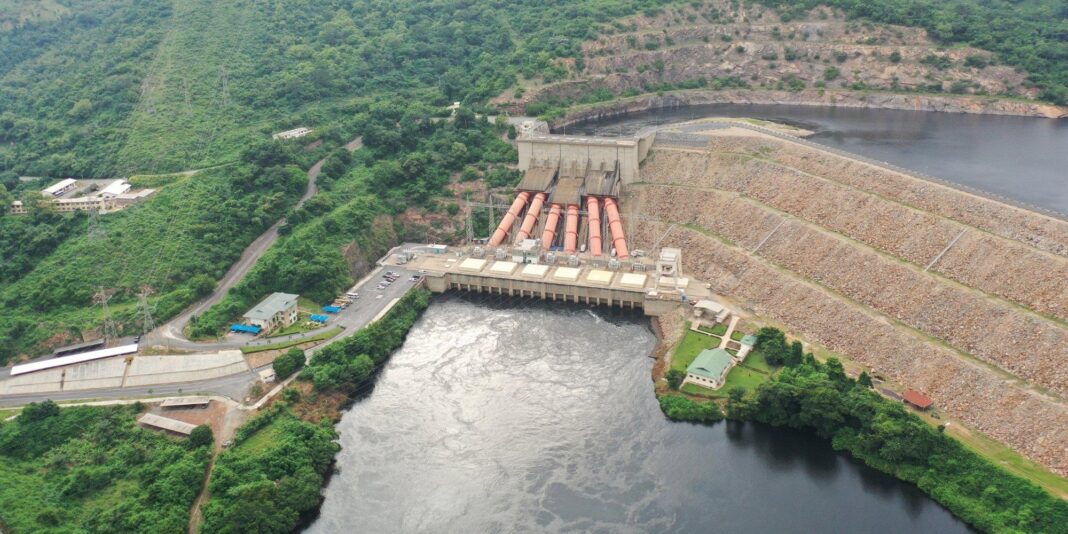

The Public Utilities Regulatory Commission has announced an upward adjustment in utility tariffs, with electricity and water consumers set to pay more for services beginning July 1, 2026, following the latest quarterly review of prices in Ghana’s regulated utilities sector.
The announcement, made in a statement dated Monday, June 22, indicates that electricity tariffs have been increased by 3.49 percent across all consumer categories, while water tariffs have been adjusted upward by 0.85 percent.

The regulator, Public Utilities Regulatory Commission, explained that the decision forms part of its statutory mandate to conduct quarterly reviews of utility tariffs in order to reflect prevailing macroeconomic and operational conditions affecting service providers.

According to the Commission, the adjustments were influenced by key economic indicators including movements in the Ghana cedi to United States dollar exchange rate, domestic inflation trends, the cost of natural gas used in electricity generation, and the prevailing electricity generation mix between hydro and thermal sources.

The review applied a weighted average exchange rate of GH¢11.2228 to the dollar, representing a marginal depreciation of approximately 0.2 percent compared to the previous quarter.
Inflation was recorded at a three month average of 3.43 percent, showing a decline from 4.17 percent in the preceding quarter, while the weighted average cost of natural gas used in power generation also fell by 1.58 percent to 7.9708 US dollars per MMBtu.

Despite some easing in underlying cost pressures, the Commission maintained that the combined effect of the indicators warranted an upward adjustment in tariffs to preserve the financial stability of utility providers.
Electricity generation composition remained largely unchanged, with hydro contributing 20.9 percent and thermal generation accounting for 79.1 percent of the national energy mix.

Based on these parameters, electricity tariffs were increased by 3.49 percent for residential, non residential and special load tariff customers across the country.

Under the revised structure, the lifeline electricity tariff for residential consumers using up to 30 kilowatt hours per month increased from 86.9 pesewas per kilowatt hour to 89.93 pesewas per kilowatt hour.
Water tariffs were also revised upward by 0.85 percent across all customer categories, including residential, commercial, industrial, public institutions and bulk supply users.
For residential consumers, the lifeline water tariff covering usage up to five cubic metres increased from 593.49 pesewas per cubic metre to 598.54 pesewas per cubic metre.
The Commission stated that the adjustments are intended to ensure that utility service providers remain financially viable while continuing to deliver reliable electricity and water supply to consumers across the country.
It further emphasized that quarterly tariff reviews are designed to preserve the real value of tariffs in an environment shaped by exchange rate fluctuations, inflation dynamics and energy production costs.
The Public Utilities Regulatory Commission added that it remains committed to monitoring the performance of utility companies to ensure compliance with service delivery standards and to guarantee value for money for consumers.
While acknowledging the burden that tariff adjustments may place on households and businesses, the Commission noted that maintaining operational sustainability within the utilities sector is essential to avoid service disruptions and long term inefficiencies.
The decision reflects the ongoing balancing act between cost recovery for utility providers and affordability for consumers in a period marked by economic adjustments and energy sector constraints.
The Commission expressed appreciation to stakeholders for their continued cooperation in the tariff review process and indicated that the new rates will be officially published in the government gazette and on its website in due course.

