
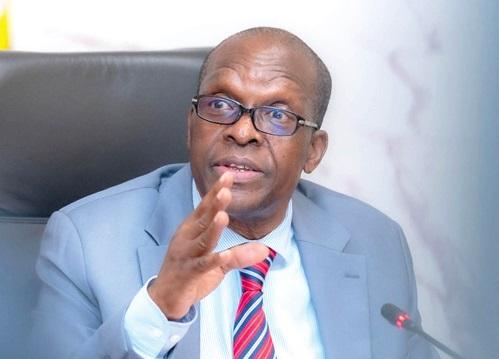

An attempt by the Speaker of Parliament, who is technically a ‘stranger’ in parliament, to order parliament to reconsider the Human Sexual Rights and Family Values Bill, 2025, has been rebuffed by the leader of the Majority, Mahama Ayariga.
Mahama Ayariga has stated emphatically that Speaker Alban Bagbin cannot overturn Parliament’s decision to pass the Human Sexual Rights and Family Values Bill, 2025, maintaining that the legislation was approved in full compliance with parliamentary procedures and that no rules were breached during its passage.

His comments come after the Speaker appealed or directed Parliament to reconsider the controversial bill following concerns surrounding the process that led to its passage on Friday, May 29. Bagbin had indicated that he expected the House to commence consideration of the bill and was surprised to learn that all stages of the legislative process had been completed.

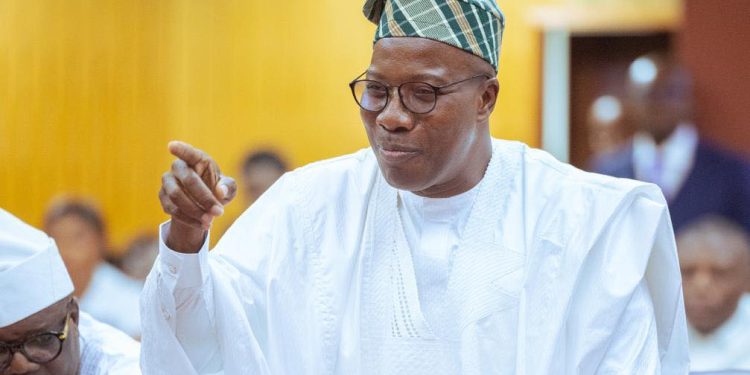
Speaking on Eyewitness News on Tuesday, June 2, Mahama Ayariga maintained that Parliament acted within its standing orders and dismissed suggestions that the bill was improperly passed. According to him, the Speaker’s intervention amounts only to an appeal for reconsideration and cannot alter a decision already taken by the House.

“The Speaker is only appealing. He cannot in any way reverse what has happened. What has happened has happened. We have passed many bills the same way, and indeed there was no rule that was breached at all,” Ayariga stated.
He explained that concerns over the requirement for a bill to wait 24 hours before proceeding to the next stage were addressed through a procedural motion for the abridgement of time, a parliamentary mechanism frequently used to expedite legislative business.

“If you check the Votes and Proceedings, you will see clearly that the procedural motion was moved and allowed by the First Deputy Speaker. We abridged time and that enabled us to take the bill through the third consideration stage. So there was absolutely no breach of procedure,” he said.
Ayariga also dismissed claims that the legislation could have been withdrawn by one of its sponsors, particularly Assin South MP Rev. John Ntim Fordjour. He argued that the bill had multiple sponsors and that the decision of a single sponsor to withdraw support would not have affected its consideration by Parliament.

“The Honourable Ntim Fordjour could not have withdrawn the bill. He was not the only sponsor. There were several other sponsors, so whatever he threatened to do or not do had no effect whatsoever on the bill and its consideration by the House,” he added.

The debate follows concerns raised by Bosome Freho MP Nana Asafo-Adjei Ayeh, who indicated that none of the Minority sponsors of the bill was present when Parliament completed the final stages of the legislative process.
Bagbin Orders Parliament to Reconsider Anti LGBTQ Bill Passage Over Procedural and Bipartisan Support Concerns
Speaker of Parliament, Alban Bagbin, has directed lawmakers to revisit the passage of the Human Sexual Rights and Family Values Bill following concerns regarding whether the level of bipartisan backing captured in the committee report was adequately reflected during deliberations and decision making on the floor of the House.
The directive introduces a significant new development in the legislative journey of the highly debated bill, which has attracted widespread discussion within Ghana and beyond its borders.
Addressing Parliament, Mr. Bagbin explained that questions had emerged concerning the procedure through which the legislation was approved. According to him, the committee report accompanying the bill indicated unanimous support from members representing both the Majority and Minority caucuses. However, he observed that the parliamentary proceedings that culminated in the bill’s passage did not clearly demonstrate the same level of consensus and cross party agreement.
The Speaker noted that whenever a committee presents a report indicating unanimous endorsement or broad bipartisan support for proposed legislation, such agreement ought to be visible throughout the parliamentary process and sufficiently reflected in the proceedings that lead to its approval.
He stated that neither the debates nor the conduct of proceedings on the day of passage conveyed the sense of unanimity or shared understanding upon which the legislation had originally been advanced and considered by the committee.
For that reason, Mr. Bagbin believes Parliament must revisit aspects of the legislative process surrounding the bill to ensure that the bipartisan support recorded in the committee’s findings is properly demonstrated and accurately reflected in the official proceedings of the House.
The Speaker emphasised that legislation carrying far reaching national implications should be anchored in broad parliamentary confidence, genuine cooperation across political divides and strict compliance with the constitutional and procedural requirements governing lawmaking in Ghana.
According to him, the authority and credibility of any legislation depend not only on the objectives it seeks to achieve but also on the integrity, transparency and legitimacy of the process through which it is enacted. He stressed that laws of such national significance should, as far as possible, command widespread confidence among members of Parliament regarding both their substance and the procedures that produced them.
Mr. Bagbin underscored his position with a simple but emphatic principle, declaring that what is right must be done rightly.
The Human Sexual Rights and Family Values Bill seeks to prohibit LGBTQ related activities, advocacy and associated conduct within Ghana. The proposed legislation has been championed by lawmakers from both sides of the political divide who argue that it is intended to preserve Ghanaian cultural values, social norms and traditional family structures. Opponents of the bill, however, have expressed concerns regarding its potential implications for constitutional rights, civil liberties and international human rights obligations.
The Speaker’s intervention comes at a time when the legislative process surrounding the bill continues to face intense examination, particularly regarding procedural compliance and whether all parliamentary requirements were fully satisfied during its consideration and approval.
The latest development also follows remarks by John Dramani Mahama, who indicated that the bill must still undergo further scrutiny before it can become law.
Speaking at Chatham House in London on June 1, President Mahama explained that several stages remain before the legislation can complete the legal and constitutional processes necessary for enactment.
The President observed that the measure originated as a private member’s bill rather than government sponsored legislation and would therefore be subject to additional legal and constitutional examination before any final determination is made regarding its future.
With Parliament now expected to revisit aspects of the bill’s passage, attention is once again focused on the legislative process surrounding one of the most consequential and closely watched pieces of legislation in Ghana’s recent parliamentary history.

