
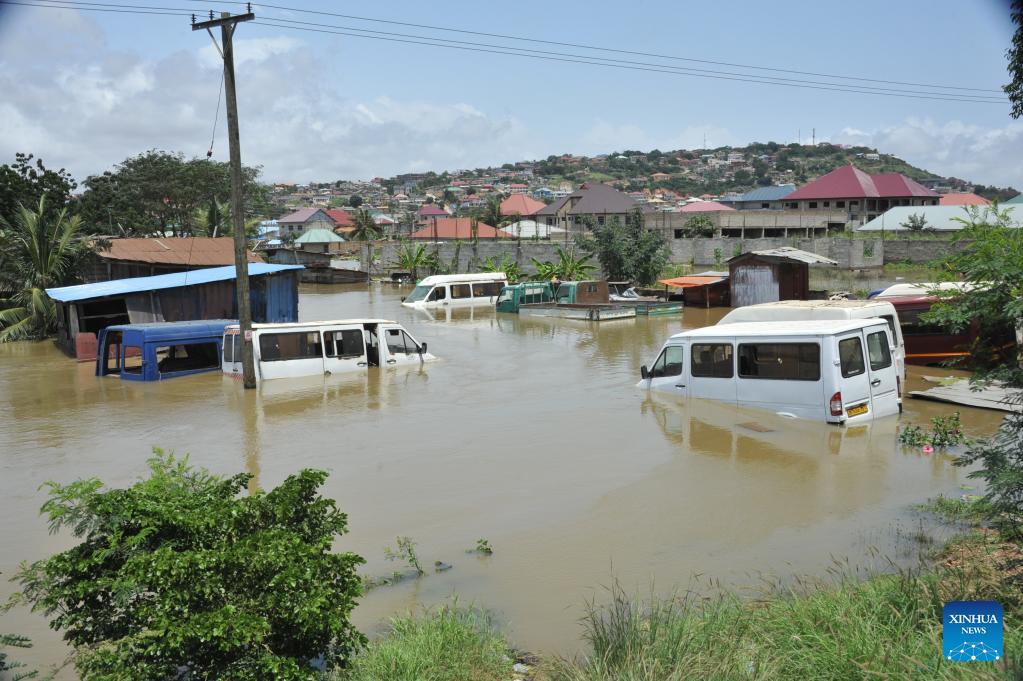

The Director of Communications at Ghana Water Limited, Stanley Martey, has called for stricter enforcement of physical planning and environmental regulations in communities around Weija, insisting that persistent flooding in the area is largely driven by human encroachment into waterways rather than operational activity at the Weija Dam.
His remarks come amid growing public concern from residents who have attributed recent flooding episodes to controlled spillage from the dam, which has displaced several households following periods of intense rainfall.

Mr Martey, however, maintains that the flooding reflects deeper structural and regulatory challenges, particularly the failure to enforce building regulations and protect natural drainage systems in flood prone zones.

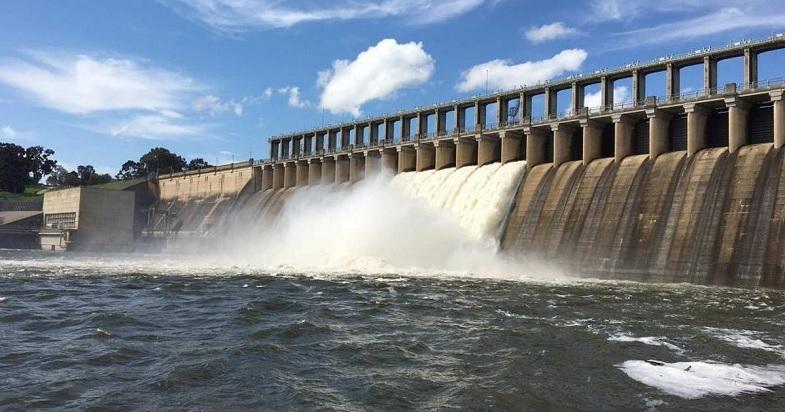
Speaking on Citi News Digest with Samuel Ackom on Saturday, May 30, he rejected claims that the dam’s spillage is responsible for the current devastation, stressing that the area is naturally vulnerable to flooding and has recently experienced unusually heavy rainfall.

He explained that uncontrolled development within waterways has significantly worsened the situation, despite repeated warnings issued against such construction activities.
According to him, many residents have built structures directly in drainage channels and have even filled portions of waterways to erect buildings, a practice he said continues to undermine efforts to manage flooding in the area.

He further criticised what he described as weak enforcement by local authorities, arguing that the failure of district assemblies to remove illegal structures has allowed the problem to persist and intensify over time.
Mr Martey emphasised that controlled spillage from the dam is a necessary safety measure designed to prevent structural failure, warning that failure to release excess water could lead to far more catastrophic consequences.

He noted that if the dam were to collapse due to excessive water pressure, the resulting disaster would be significantly more severe than the flooding currently being experienced in surrounding communities.

He disclosed that the Weija Dam has been under continuous spillage since April 2025, adding that rainfall patterns in the Atiwa Forest, where the Densu River originates, continue to contribute to sustained inflows into the reservoir.
He also indicated that the duration of the spillage remains uncertain due to ongoing variations in weather conditions and upstream rainfall intensity.
Mr Martey called for a coordinated intervention involving the evacuation of residents from high risk areas, demolition of unauthorized structures, and dredging of blocked waterways to restore effective drainage systems.
He further stressed that restoring and protecting buffer zones around water bodies is essential to reducing future flooding risks and safeguarding communities within the Weija catchment area.

