
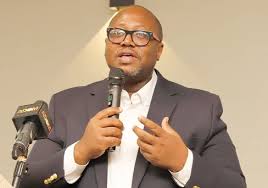

The Director of Advocacy and Policy Engagement at the Centre for Democratic Development CDD-Ghana, Dr Kojo Pumpuni Asante, has expressed concern over what he describes as an emerging pattern of arrests linked to alleged violations of free expression in Ghana.
His comments follow a petition submitted by the opposition New Patriotic Party to the Diplomatic Corps after the arrest of its Bono Regional Chairman, Kwame Baffoe, popularly known as Abronye DC, who is currently facing charges under Sections 207 and 208 of the Criminal Offences Act for allegedly offensive conduct and related offences.

Speaking to Citi News, Dr Asante cautioned that the trend, if not carefully managed, could establish a dangerous precedent with far reaching consequences for freedom of expression in the country.

He warned that increasing arrests over insults, commentary, and public discourse could gradually narrow the space for free speech and civic engagement.

“When you start arresting people for insults, other kinds of behavior, including commentary on public policy and things like that, that is a slippery slope nobody wants to get into,” he stated.
He stressed that the issue goes beyond political actors, arguing that ordinary citizens, journalists, and online commentators could all be affected if such practices become normalized.

Dr Asante further expressed concern over the proposed Misinformation, Disinformation, and Hate Speech legislation currently under consideration, warning that its broad language could risk infringing on constitutionally protected freedoms.
He noted that CDD-Ghana has already raised strong objections to aspects of the draft bill being developed by the Ministry of Communication, arguing that some provisions appear overly expansive in defining criminal speech.

“We have said that there is currently some legislation that is making the rounds… we have expressed very strong reservations because of the broad scope of actions that they see as criminal,” he explained.

According to him, poorly defined legal boundaries around speech could expose journalists, digital creators, and ordinary citizens to unnecessary legal risks.
He cautioned that pursuing such a legislative path without broad consensus could undermine democratic freedoms and weaken public trust in governance institutions.
Dr Asante therefore called for an open and inclusive national conversation on the proposed law, stressing that civil society remains ready to facilitate dialogue that balances regulation of misinformation with the protection of free expression.
He added that while addressing misinformation is important, it must not come at the cost of shrinking civic space or weakening constitutional rights.

