
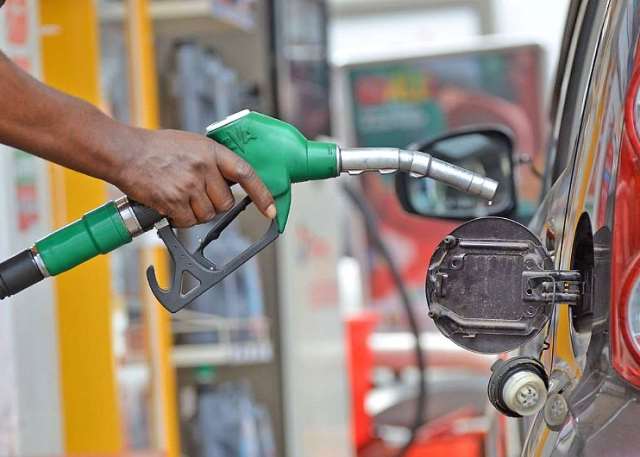

Several oil marketing companies have started reviewing fuel prices at the pumps from today, February 1, 2026, confirming earlier industry expectations that petroleum prices would rise at the start of the new pricing window. The adjustments follow forecasts that pump prices could increase by about two percent to more than five percent per litre, driven by currency pressures and movements on the international oil market.
Checks conducted on February 1 indicate that Star Oil, the market leader, has revised its petrol price upward, with a litre now selling at GH¢9.99, compared to the previous GH¢9.97. The company explained that the change applies to its discounted prices across the country and was necessary to bring its pricing structure in line with a slightly higher industry price floor. Despite the revision in petrol prices, Star Oil has kept its diesel price unchanged at GH¢10.95 per litre, with the new adjustments taking effect nationwide from February 1.

Another key player, Zen Petroleum, has also carried out price reviews. Petrol at Zen outlets is now selling at GH¢9.99 per litre, up from GH¢9.94, while diesel prices have been increased to GH¢11.44 per litre, with the changes scheduled to take effect from February 2, 2026.

State owned GOIL has similarly adjusted its prices, with petrol now selling at GH¢9.99 per litre, while diesel has been revised upward to GH¢11.90. These prices reflect discounted rates at roughly two hundred service stations nationwide, rather than standard pump prices.

Other major oil marketing companies are also in the process of reviewing their pricing structures. However, as of the time of reporting, these were the confirmed adjustments, with further changes expected as more firms complete internal assessments. Industry watchers anticipate that additional price revisions will become visible from February 2, as competition and cost pressures continue to shape pricing decisions.
According to the Chamber of Oil Marketing Companies, the current round of increases is largely being driven by the weakening of the Ghanaian cedi against the United States dollar in January 2026, alongside rising global crude oil prices. During the review period, international crude prices jumped sharply from around sixty four dollars per barrel to almost seventy dollars per barrel within two days, reflecting renewed volatility in global energy markets.

The Chamber also noted that the cedi recorded a modest depreciation against major trading currencies at the beginning of the year. For the February 1 pricing window, the local currency weakened from GH¢10.90 to GH¢10.98, representing a zero point seven seven percent decline. These developments have increased import costs for petroleum products, placing upward pressure on pump prices.
Despite these challenges, COMAC says it has received assurances from the Bank of Ghana that the central bank remains committed to price stability, while also supporting broader economic growth objectives.

Industry sources, however, suggest that competition within the downstream petroleum sector is playing a critical role in moderating price increases. Market data shows that most oil marketing companies are now pricing fuel only marginally above the official price floor, rather than significantly higher, a shift from previous pricing windows. This competitive environment appears to be limiting the extent of price hikes, even as cost pressures persist.

As the pricing window unfolds, consumers are expected to see gradual and selective adjustments, rather than sharp uniform increases, reflecting the delicate balance oil marketing companies are attempting to strike between rising costs and intense market competition.

