
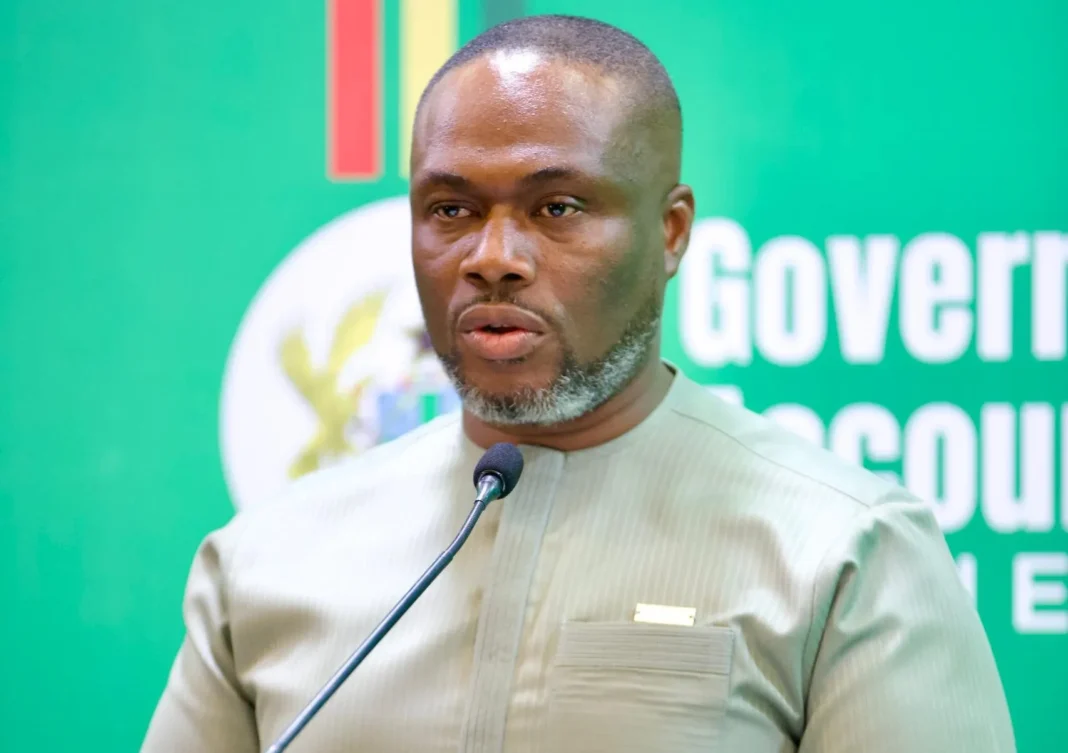

Ghana remains burdened by an acute housing shortage, with the national deficit now estimated at more than 1.8 million housing units, a challenge worsened by rising costs that continue to shut out many low and middle income households from owning or renting decent accommodation. This was disclosed by the Minister for Works and Housing, Kenneth Gilbert Adjei, who described the situation as both urgent and structurally entrenched.
The Minister made these remarks while addressing participants at the Government Accountability Series on Wednesday, January 28, 2026, where he pointed to rapid urban expansion as a major contributor to the growing crisis. He explained that more than half of Ghana’s population currently resides in urban centres, a proportion expected to climb beyond seventy two percent by the year 2050, placing intense pressure on housing stock in cities such as Accra, Kumasi, and Takoradi.

According to Mr Adjei, the imbalance between housing demand and supply has persisted for years, resulting in overcrowded living conditions, escalating property values, and the steady spread of informal settlements within urban areas. These conditions, he noted, threaten not only social stability but also public health and long term urban sustainability.

“Ghana continues to struggle with a significant housing gap, which now stands at over one point eight million units,” the Minister said. “This shortfall is compounded by affordability constraints that prevent a substantial segment of the population, particularly low and middle income earners, from accessing housing that is safe, secure, and dignified.”

He stressed that without deliberate and coordinated action, the housing challenge could intensify as population growth and rural to urban migration accelerate. The Minister therefore called for comprehensive and forward thinking strategies that address both the volume of housing supply and the cost barriers facing ordinary citizens.
Mr Adjei urged government agencies, private developers, financial institutions, and development partners to work collaboratively toward solutions that promote affordable housing delivery, sustainable urban planning, and inclusive development, noting that Ghana’s changing demographic realities demand responses that are both practical and long lasting.

If you want, I can also expand this with policy options, compare Ghana’s housing deficit with other African countries, or frame it around mortgage access and financing constraints.

