

DSN NEWS DESK
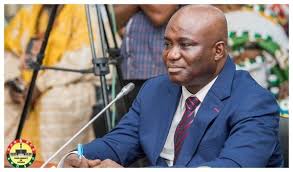
Ghana did not experience any food shortages in 2025 and, in fact, produced more food than originally expected, according to the Minister for Food and Agriculture, Eric Opoku.

The minister made this disclosure during an interview on Ekosii Sen, a current affairs programme aired on Asempa FM. He used the opportunity to praise Ghanaian farmers for their strong performance despite persistent challenges such as high input costs, climate pressures, and transportation difficulties.

Strong farmer performance and food security
According to Mr. Opoku, farmers across the country demonstrated remarkable resilience throughout the year, enabling Ghana to meet and even surpass its agricultural production targets. He described their efforts as outstanding and central to maintaining national food security.

He explained that the country currently holds sufficient buffer stocks, meaning reserve food supplies that can be relied upon during emergencies such as droughts, floods, or market disruptions. These reserves, he said, ensure that Ghana is prepared for unforeseen difficulties and seasonal shortfalls.
Preliminary production figures, the minister noted, indicate that agricultural output in 2025 exceeded government expectations, reflecting improved productivity and commitment within the sector.

Agriculture driving economic stability
Mr. Opoku further highlighted the role of agriculture as a major contributor to Ghana’s economic growth. He stated that increased food production has helped reduce food inflation, leading to lower and more stable food prices for consumers.
Food inflation has been a significant concern in recent years, affecting household budgets and overall cost of living. The minister explained that improved supply from local farms has helped ease these pressures, benefiting both urban and rural populations.

Improving access to markets
Beyond production, the minister acknowledged that transportation remains a major challenge for farmers, especially those in rural areas. To address this, he revealed that the government is actively working to upgrade and expand agricultural roads.

Improved road networks, he explained, will make it easier for farmers to transport produce to markets, reduce post-harvest losses, and increase incomes by linking producers more efficiently to buyers.
Government reassurance
Summarising the situation, Mr. Opoku said the combination of strong farmer output, adequate food reserves, and targeted infrastructure improvements places Ghana in a solid position moving forward.
He stressed that continued investment in agriculture remains critical, not only for food security but also for economic stability, job creation, and long-term national development.

