
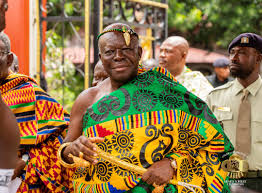

The Asantehene, Otumfuo Osei Tutu II, has successfully concluded the final high-stakes mediation session between the feuding Kusaasi and Mamprusi factions, marking a significant and hopeful turning point in the decades-long Bawku conflict. The influential traditional ruler is now poised to submit a comprehensive report to President John Mahama for the final stage of national intervention.
The conclusion of the talks at the Manhyia Palace in Kumasi on Monday was met with intense emotion, including scenes of wild jubilation from members of both sides who expressed relief and cautious optimism.

Contextualizing the Bawku Conflict

To understand the significance of the Asantehene’s role, it is essential to contextualize the protracted conflict, which is one of Ghana’s most entrenched and deadly internal disputes:

- The Root Cause: Chieftaincy and Land Ownership
The conflict, largely centered in the Bawku Traditional Area in Ghana’s Upper East Region, is fundamentally a dispute over the Bawku Paramount Chieftaincy (the “Bawku Skin”) and associated claims to allodial land ownership rights.
Kusaasi Claim: They assert their position as the autochthones (original inhabitants and land custodians) of the area.

Mamprusi Claim: They trace their authority to the historical Mamprugu Kingdom and claim precedence based on the historical establishment of centralized chieftaincy in the area.
- The Colonial Legacy and Political Meddling
The dispute was severely exacerbated by British colonial administration.

Indirect Rule: Colonial policy favored centralized polities like Mamprugu, attempting to impose their traditional authority over acephalous (non-centralized) groups like the Kusasi, creating enduring tensions over power and administration.

Post-Independence Reversals: Successive Ghanaian governments and military regimes have repeatedly reversed policy decisions and legal decrees regarding the rightful occupant of the Bawku skin (e.g., the 1958 Opoku-Afari Committee, NLCD 112 in 1966, and PNDC Law 75 in 1983). These legal and political shifts have prevented a consistent resolution and fueled cyclical violence.
- Current Impact and Intractability
Since late 2021, the conflict has seen a renewed and devastating escalation, characterized by:
Sustained Hostilities: Hundreds of lives have been lost, and thousands have been displaced in the ensuing violence.
Economic Disruption: The once-vibrant border town has seen businesses close and economic activity crippled, deepening poverty among residents.
Ethnic Segregation: The violence has led to the creation of segregated markets and bus stations, dividing the community along ethnic lines and making the area highly volatile.
The Asantehene’s Intervention
President Mahama commissioned Otumfuo Osei Tutu II—whose reputation for successful traditional diplomacy includes brokering the Dagbon peace roadmap—to lead this crucial effort. The Asantehene was tasked with facilitating a dialogue aimed at peace, reconciliation, and mutual understanding.
Focus: The talks, conducted with recognized impartiality, aimed to use the authority of the Golden Stool to navigate the deep-seated grievances that legal and political interventions have failed to solve.
Next Step: The Asantehene’s detailed report will now move the resolution process from traditional mediation to the executive level, where President Mahama and the government will be expected to provide the necessary political and legal direction to implement the outcomes and ensure lasting peace.
The Manhyia Incident: A Reminder of Fragility
Despite the positive outcome of the talks, a minor scuffle outside the Manhyia Palace serves as a sobering reminder of the deep-seated animosity:
A brief skirmish erupted between members of the two factions after a Mamprusi reportedly hit a vehicle belonging to the Kusaasi side during celebratory actions.
Security services quickly intervened to contain the situation, underscoring the volatility that continues to underscore any effort toward reconciliation.
The coming days, as the President receives the report, will be crucial in determining whether this landmark traditional mediation will finally pave the way for a definitive and enduring peace in Bawku.

