


Senior Fellow at Africa Policy Lens, Dr Joshua Jebuntie Zaato, has called on the government to account for the deployment of newly acquired Metro Mass Transit buses as commuters across Ghana begin paying higher public transport fares.
Dr Zaato raised the concern on The Big Issue on Saturday, September 26, 2026, questioning why the buses were not more visibly operating on Ghanaian roads at a time when passengers are facing an eight per cent increase in approved public transport fares.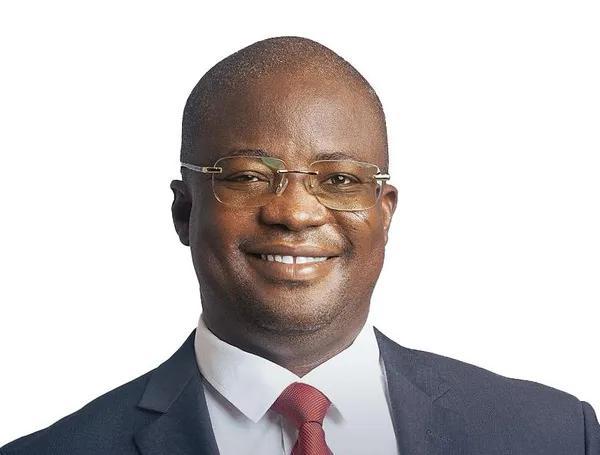

He argued that if the vehicles were procured to expand public transport capacity and alleviate pressure on commuters, their presence should be readily apparent within the transport system.

According to Dr Zaato, he had seen images on social media showing some of the buses parked rather than actively operating, prompting him to question the rationale for keeping them out of regular service.

He said the government had previously indicated that buses had been imported from Egypt, and argued that their deployment had become particularly important following the latest fare adjustment.
Dr Zaato further stressed that mass public transportation remains a fundamental component of national transport systems, irrespective of a country’s level of economic development, because an effective public transport network can increase passenger carrying capacity and provide alternatives to privately operated commercial vehicles.

The government’s bus programme, however, is more extensive than the immediate number questioned by Dr Zaato. In April 2026, the government announced a programme to procure 300 new 29 seater buses for Metro Mass Transit Limited. The first 100 buses arrived in Ghana and were formally inaugurated by Vice President Professor Naana Jane Opoku Agyemang on May 22, 2026. The remaining 200 buses were expected to arrive in subsequent batches.
The buses were presented as an intervention intended to strengthen Metro Mass Transit operations, increase passenger capacity and improve the reliability of public transportation. At the commissioning ceremony, the government indicated that the vehicles would also support night operations, shift workers and late evening economic activity.

There is also evidence that the first batch has not simply remained in storage. Reports in May and June indicated that buses had been allocated to parts of the country, with commuters in the Volta and Oti Regions welcoming the new vehicles and the Western Region receiving 11 of the 100 buses.

Metro Mass Transit subsequently clarified in June that the 100 new buses were primarily intended for intercity services across Ghana rather than specifically for intra city operations in Accra. That clarification is relevant to Dr Zaato’s observation that the buses are not readily visible on some urban routes.
The debate has nevertheless gained renewed significance following the latest adjustment in transport charges. The Ghana Private Road Transport Union and the Ghana Road Transport Coordinating Council announced that approved public transport fares would rise by eight per cent from Saturday, September 26, following consultations with the Ministry of Transport. The adjustment applies to shared taxis, intra city trotro services, intercity transport and haulage, with the unions attributing the increase to changes in fuel prices, spare parts, vehicle maintenance and other operating costs.
Dr Zaato’s intervention therefore places renewed attention on the relationship between public investment in mass transportation and the availability of affordable and reliable services for commuters. His central question is whether the buses already acquired and commissioned are being deployed as efficiently and extensively as intended, particularly at a time when passengers are being required to absorb higher transport costs.
The government and Metro Mass Transit have yet to publicly respond specifically to Dr Zaato’s latest questions concerning the whereabouts and operational deployment of the buses.

