
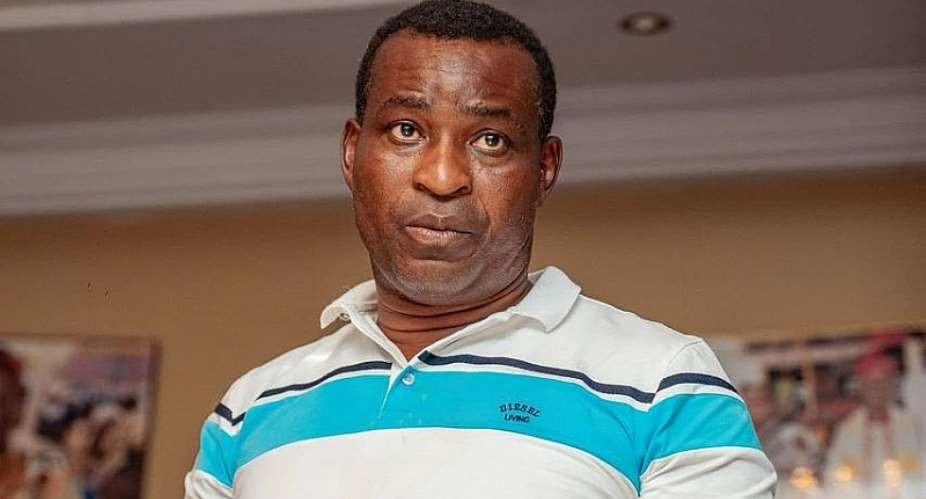

Accra, June 2, 2025 — Bernard Antwi Boasiako, the charismatic and controversial Ashanti Regional Chairman of the New Patriotic Party (NPP), popularly known as Chairman Wontumi, has been released from the custody of the Economic and Organised Crime Office (EOCO) after meeting stringent bail conditions.
His release, confirmed on Monday by the NPP’s General Secretary, Justin Kodua Frimpong, follows a week of mounting public speculation and political tension. Speaking to journalists at the EOCO headquarters in Accra, Mr. Kodua confirmed that Wontumi’s bail—set at GH₵50 million with two sureties—was secured, thanks in part to the intervention of Dr. Bryan Acheampong, the Minister for Food and Agriculture and Member of Parliament for Abetifi, who stood as one of the sureties.

“We are grateful to Hon. Bryan Acheampong for standing with the party and supporting our regional chairman at this critical time,” said Kodua, subtly framing the incident as not merely legal, but politically symbolic.

Chairman Wontumi was arrested on Tuesday, May 27, in connection with ongoing investigations into suspected financial impropriety and possible breaches of Ghana’s economic regulations. Though EOCO has yet to officially announce charges, sources close to the case suggest that the allegations relate to complex dealings across Wontumi’s vast business empire, which spans mining, media, and construction.

The Deputy Attorney-General is reportedly reviewing the case file, but details remain deliberately opaque—further fueling public intrigue.
Wontumi’s arrest has electrified political discourse. As a power broker in Ghana’s governing party and a dominant force in the Ashanti Region—widely regarded as the NPP’s electoral stronghold—his legal troubles carry significant political weight.

To his supporters, this is nothing short of political persecution cloaked as a corruption probe. To critics, it signals a long-overdue reckoning with power and privilege. Meanwhile, EOCO maintains that its investigations are driven strictly by evidence, not political pressure.
For now, Chairman Wontumi remains on bail, bound by legal obligations and political expectations. He is expected to report regularly to EOCO as the investigation unfolds—a drama that promises to test not only the strength of institutions but also the resilience of political alliances.

In the shadows of power, the question lingers: is this the beginning of accountability, or a calculated political play?


