
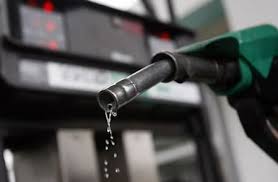

Several Oil Marketing Companies have commenced upward revisions of fuel prices at retail outlets from the early hours of February 16, 2026, in line with industry forecasts that anticipated incremental increases ranging from about one percent to slightly above three percent per litre. The adjustments mark the first visible response to a confluence of domestic currency weakness and firming international petroleum markets.
Independent price checks conducted by JOYBUSINESS on February 16 indicate that GOIL has revised the pump price of petrol to ten Ghana cedis twenty four pesewas per litre from the previous nine Ghana cedis ninety nine pesewas. Diesel prices at GOIL outlets have also been lifted to twelve Ghana cedis eighty three pesewas per litre from eleven Ghana cedis ninety pesewas, reflecting a notable upward recalibration within a single pricing window.

GOIL has explained that the published figures represent discounted rates available at about two hundred service stations across the country. This clarification implies that pump prices at other GOIL outlets may be marginally higher depending on location and station specific pricing structures. The latest adjustments further indicate that the company has complied with the petrol price floor issued by the National Petroleum Authority, although diesel prices have been set above the regulatory minimum.

Market leadership follows suit

In a parallel move, market leader Star Oil has also implemented nationwide price increases across its service station network, with the changes taking effect from eight o clock in the morning on February 16. Petrol prices at Star Oil outlets have been raised to ten Ghana cedis twenty four pesewas per litre from nine Ghana cedis ninety nine pesewas, mirroring the industry floor.
Diesel prices at Star Oil stations have also been adjusted upward and checks suggest that the company has priced diesel slightly above the approved minimum threshold. A closer examination of the figures reveals that while Star Oil has aligned fully with the petrol price floor, it has exercised limited upward flexibility on diesel pricing, consistent with prevailing cost pressures.

Further adjustments anticipated
Industry sources indicate that additional price revisions are expected from other major Oil Marketing Companies as the day progresses. With heightened regulatory scrutiny and strict observance of the National Petroleum Authority’s pricing framework, market signals suggest that petrol prices are unlikely to fall below ten Ghana cedis twenty four pesewas per litre while diesel prices are expected to remain above eleven Ghana cedis thirty four pesewas across the sector.

Underlying drivers of the increase

According to the Chamber of Oil Marketing Companies, the upward movement in pump prices is primarily the result of sustained depreciation of the Ghanaian cedi against the United States dollar during January and February 2026, coupled with rising international crude oil prices and higher costs of refined petroleum products on the global market.
The cedi has faced mounting pressure since the beginning of the year, largely driven by elevated foreign exchange demand from businesses restocking inventories and multinational firms executing offshore transfers, including dividend remittances. Data published by the Bank of Ghana for January show that the local currency weakened by approximately four percent against the United States dollar over the period, although figures from some commercial banks point to a slightly steeper depreciation of about four point one six percent.
On the international front, crude oil prices have climbed by more than five percent and are currently trading close to seventy dollars per barrel. Refined petroleum products have recorded even sharper increases, with petrol prices up by four point one seven percent, gas oil rising by five point five seven percent, and liquefied petroleum gas gaining six point one eight percent.
Despite the inflationary pressures emerging from these dynamics, the Chamber of Oil Marketing Companies has disclosed that it has received assurances from the Bank of Ghana that the central bank remains firmly committed to preserving price stability while simultaneously supporting sustained economic growth.

