

By Samira Larbie, GNA
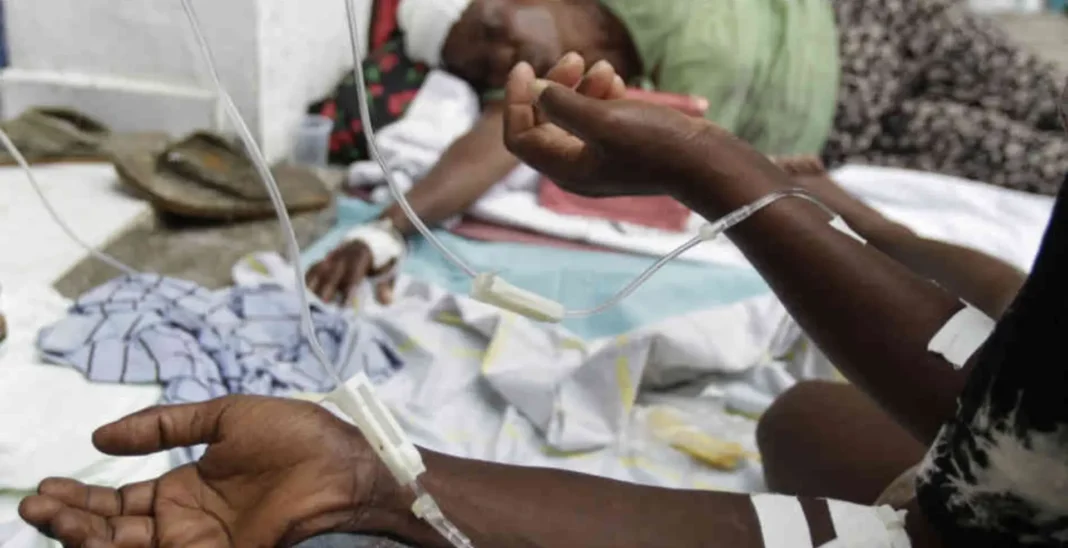
Accra, Jan. 30. GNA -Ghana's cholera outbreak has so far claimed the lives of 43 persons and a
total of 480 infections, the Ghana Health Service (GHS) has said.
The cholera outbreak, which hit the country in October 2024, has spread to five regions,
including Greater Accra, Central, Western, Eastern, and Ashanti.
Data from the Ghana Health Service (GHS) indicate that as of January 21, 2025, 30 persons
were on admission at various hospitals.
Information gathered by the Ghana News Agency (GNA) in the latest Cholera Situational Report
(SITREP) indicate that 5,527 suspected cholera cases had so far been recorded in the five
Regions.
It said 113 new suspected cholera cases were recorded in the affected regions, with nine
confirmed cases as of January 21, 2025.
Currently, cholera infections have been recorded in 54 districts with a Case Fatality Rate of one
point two per cent.
According to the SITREP, phase two, the sub-national Oral Cholera Vaccination campaign has
been successfully completed in 18 subdistricts within four hotspot districts in the Western
Region: Sekondi-Takoradi, Effia Kwesimintsim, Shama, and Ahanta West, with 596,205 persons
vaccinated.
It said most of the infections recorded were not severe but fatalities were being recorded due
to the delay in reporting cases to the health facilities.
"Deaths are occurring because most of the patients who had cholera tried to self-medicate,
some report to the hospital three days after the cholera infection," he stated.
It said the lack of clean water in some of the affected districts, the practice of open defecation,
and poor hand hygiene had contributed to the cholera outbreak.
Between 2017 and 2023, Ghana did not record a cholera outbreak although a few indigenous
cases were reported.
Dr. Patrick Kuma-Aboagye, the outgoing Director-General of the Ghana Health Service, during a
media interview, said even though the infection rate was reducing, the country still recorded
new cases because some neighbouring countries were also faced with the outbreak, making
transmission easy.
He assured that the outbreak had so far been contained in the Western Region and urged the
public to practice frequent hand washing with soap under running water and the use of hand
sanitizers in cases where there was no access to clean water.
Dr. Kuma-Aboagye also urged food vendors to ensure cleanliness before selling to prevent
contamination and infection.
Cholera is an acute diarrheal infection caused by ingesting food or water contaminated with the
bacterium Vibrio cholerae.
According to the World Health Organization (WHO), cholera remains a global threat to public
health and serves as an indicator of inequity and a lack of social development.
Symptoms of cholera include frequent diarrhea, vomiting, and dehydration, along with
abdominal cramps, fever, headache, fatigue, dry mouth and throat, and decreased urine
output.
Medical experts warn that severe cases of the disease can be fatal within hours if left untreated.
Most individuals infected with cholera may not exhibit symptoms, but the bacteria can still be
present in their feces for 1 to 10 days post-infection, potentially contaminating the environment
and infecting others.
A minority of patients develop acute watery diarrhea with severe dehydration. This can lead to
death if left untreated.
Cholera transmission is closely linked to inadequate access to clean water and sanitation
facilities. Typical at-risk areas include peri-urban slums and camps for internally displaced
persons.
Early detection and treatment are crucial to preventing complications and reducing mortality.
The Ghana Health Service has advised the public to drink safe treated water, eat well-cooked or
properly handled food, avoid close contact with infected individuals, practice good hygiene;
wash hands with soap under running water, ensure proper disposal of feces, and report to the
nearest health facility if experiencing profuse diarrhea and vomiting.
GNA
SOF
30 Jan.2025


