

The Minority Caucus on Parliament’s Foreign Affairs Committee has called for the immediate suspension of Ghana’s maritime and port cooperation arrangements with Colombia, as well as the bilateral visa waiver agreement between the two countries, citing concerns over recent cocaine seizures linked to Ghana.
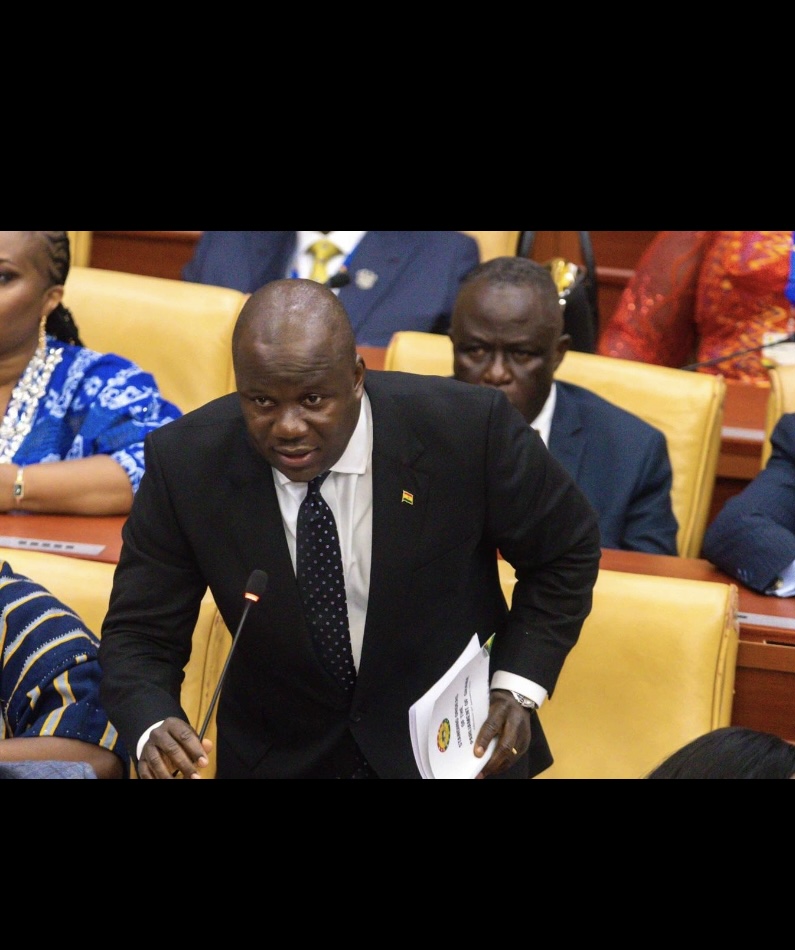
The demand was contained in a statement signed by the Ranking Member of the Foreign Affairs Committee and Member of Parliament for Damongo, Samuel Abu Jinapor, who said the emerging developments warranted a comprehensive national security assessment of the agreements before they remain in operation.

The Minority’s position comes amid renewed public and parliamentary attention to Ghana’s involvement in international cocaine trafficking routes. The Caucus has drawn particular attention to Ghana’s recent arrangements with Colombia, including the maritime and port cooperation framework linking the Port of Tema with the Port of Cartagena, alongside the mutual visa waiver arrangement.

The Caucus has pointed to findings contained in the United Nations Office on Drugs and Crime’s 2026 World Drug Report, which identifies Colombia, followed by Peru and Brazil, as the principal departure countries for cocaine shipments worldwide during the 2020 to 2024 period. The report further indicates that cocaine leaving Colombia is transported predominantly by sea.

The Minority has also cited recent Belgian customs figures concerning cocaine intercepted at the Port of Antwerp. According to those figures, Ghana was ranked as the fifth largest country of origin for cocaine seizures recorded at Antwerp in 2025, behind Ecuador, Costa Rica, Brazil and Colombia. Belgian customs intercepted almost 55 tonnes of cocaine at the port during the year, compared with approximately 44 tonnes in 2024.
The classification of Ghana as a country of origin, however, refers to the location where the containers were loaded and shipped and does not mean that the cocaine was produced in Ghana. Reports based on the Belgian customs figures indicate that much of the cocaine involved originated in South America before being transported through international maritime routes.

The Minority argues that Ghana’s appearance in the Antwerp figures, together with a series of large cocaine interceptions involving consignments connected to Ghana, requires greater scrutiny of the country’s ports and international transport arrangements.
The Caucus is therefore asking the government to suspend implementation of the Ghana Colombia visa waiver agreement and halt the maritime and port cooperation arrangements pending a comprehensive security assessment.

It is also demanding that the entire framework of the agreements, including the visa waiver arrangement, be submitted to Parliament for detailed examination from a national security perspective.

The call follows the Minority’s wider campaign for greater parliamentary scrutiny of recent narcotics seizures. Parliament was recalled on September 29 following concerns over major drug seizures, although Speaker Alban Bagbin subsequently ruled a proposed private member’s motion seeking a substantive parliamentary inquiry into the seizures inadmissible. The Speaker cited relevant Standing Orders, ongoing investigations, pending judicial proceedings and Parliament’s constitutional oversight responsibilities in reaching the ruling.
The Minority maintains that Ghana’s ports must continue to serve as gateways for legitimate international commerce and must not be exploited by criminal networks involved in transnational drug trafficking.
The Caucus says it will continue pressing for accountability and greater scrutiny of the country’s security, border management and institutional arrangements as investigations into recent cocaine seizures continue.

