
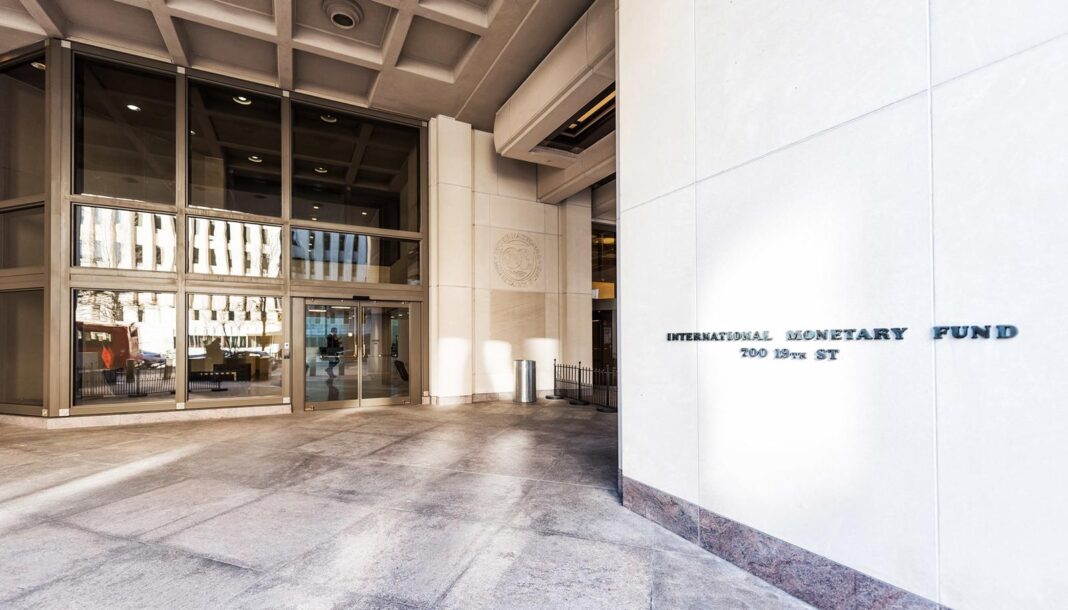

The International Monetary Fund has disclosed that youth unemployment in Ghana continues to remain persistently elevated, with nearly one in every three young people between the ages of 15 and 24 unable to secure employment despite gradual progress recorded across several areas of the economy.
According to the Fund’s latest country assessment on Ghana, social welfare conditions continue to present significant challenges even though authorities have maintained protective measures aimed at cushioning vulnerable households. The institution observed that while economic stability has strengthened in recent years, many citizens have yet to experience meaningful improvements in their living standards, particularly within the labour market.

Drawing on estimates from the World Bank, the report indicated that the country’s poverty rate, measured against the international threshold of three dollars per day, registered a modest decline to 37.1 percent in 2025 from 38.9 percent recorded in 2022. The improvement was attributed primarily to easing inflationary pressures together with stronger expansion across the agricultural and services sectors, both of which contributed to a gradual enhancement in household incomes.

Nevertheless, the IMF cautioned that these gains have not translated into sufficient employment opportunities for Ghana’s youthful population. As a consequence, the institution underscored that tackling unemployment, especially among young people, remains one of the country’s foremost development priorities.

The report explained that the government’s Medium Term National Development Policy Framework covering the period from 2026 to 2029 places considerable emphasis on accelerating economic expansion through industries capable of generating large numbers of jobs. The strategy prioritises labour intensive sectors with the objective of creating sustainable employment opportunities while stimulating inclusive economic advancement across the country.
The Fund further highlighted considerable shortcomings within Ghana’s social protection architecture, stressing that broader financial commitments alongside more effective programme implementation will be necessary to adequately safeguard vulnerable populations. It acknowledged that expenditure on social interventions has recorded a gradual increase under the Extended Credit Facility programme. However, it maintained that both the reach of existing initiatives and the value of benefits provided remain substantially below what current socioeconomic conditions demand and also fall behind comparable programmes across the region.

Regarding the Livelihood Empowerment Against Poverty initiative, the IMF observed that even after the government’s planned expansion, the programme will still benefit only a limited share of the nearly 40 percent of Ghanaians who continue to live beneath the internationally recognised poverty threshold. This, the institution noted, illustrates the considerable distance that remains before social assistance can adequately support those most in need.
The assessment also recognised encouraging progress within Ghana’s education sector. Even so, it emphasised that school enrolment, particularly at the secondary education level, continues to remain below the Sustainable Development Goals benchmark. Furthermore, educational quality indicators continue to trail those achieved by many comparable economies, signalling the need for additional reforms to strengthen learning outcomes and human capital development.

Concluding its assessment, the International Monetary Fund stressed that maintaining robust social protection measures will be essential as Ghana continues to pursue fiscal consolidation amid an uncertain global economic environment and ongoing adjustments to utility tariffs. The institution maintained that expanding well targeted social intervention programmes and reinforcing safety net systems will play a crucial role in shielding vulnerable households from the adverse consequences of macroeconomic pressures while supporting more inclusive and resilient economic growth.


