
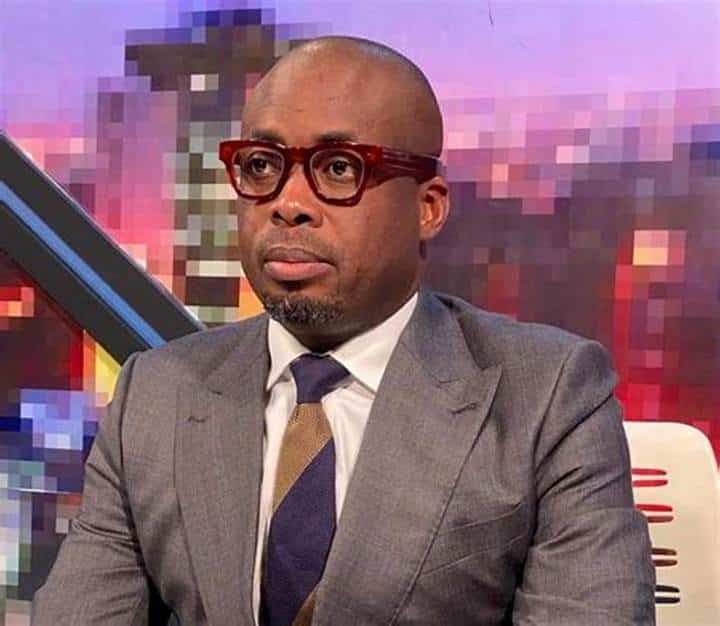

The Office of the Special Prosecutor (OSP) has brought formal charges against the former Board Chairman of the Ghana Airports Company Limited (GACL), Paul Adom-Otchere, and two others. Yet, it’s not the charges themselves that have captured headlines, but the peculiar circumstances of Adom-Otchere’s continued detention. Having been granted bail, the former chairman finds himself in a seemingly inescapable bind: he remains in custody, unable to meet the bail conditions that require him to present two landed properties registered in his name. His claim to investigators that he doesn’t own any such property in Ghana has brought the legal process to a standstill and raises more questions than answers.
The OSP’s investigation centers on a controversial revenue assurance contract between GACL and a private firm with reported ties to the proprietor of Strategic Mobilisation Ghana Ltd (SML). The inquiry is probing potential procurement breaches, including the sole-sourcing of a company that was allegedly never approved by the GACL Board. Joining Adom-Otchere in facing charges are Otchere Kwame Baffour Awuah, Group Executive for Commercial Services at GACL, and Albert Adjetey Adjei-Laryea, CEO of Devnest Systems.

Adom-Otchere, who was first named as a suspect in a letter dated July 25, 2025, and subsequently invited for questioning, has not shied away from voicing his perspective. Speaking to Citi Newsroom before his interrogation, the broadcaster dismissed the investigation as a “witch-hunt” and asserted his innocence. “The contract in question was signed by the Managing Director of Ghana Airports Company, and I was not even aware that the contract had been executed,” he stated.

His defense shifts the focus from the board to the management, raising a crucial point of distinction. He questions why he, as the board chairman, is the primary target of the investigation, rather than the management officials who, he argues, were directly involved in the decision-making and execution of the contract. This assertion opens up a deeper conversation about where the lines of responsibility are drawn between a company’s board and its executive management. How much oversight is a board chairman expected to have over day-to-day contractual agreements? And at what point does a lack of awareness become a dereliction of duty?

As the legal proceedings unfold, the case of Paul Adom-Otchere transcends a simple procurement investigation. It forces us to examine the intricate dynamics of corporate governance, the accountability of public officials, and the blurred lines between political influence and institutional integrity. Is this truly a “witch-hunt,” as Adom-Otchere claims, or is it a necessary step toward greater transparency and accountability in Ghana’s public sector? His inability to secure bail adds a layer of personal drama to the institutional questions, leaving many to wonder about the true nature of his assets and his role in the GACL contract.

